Many Australians want better returns from their property investments. Home prices in cities like Sydney and Melbourne are high, with rental yields often lower than what investors hope for.
They look for markets with better income, fewer taxes, and more room to grow their money.
Dubai is one of the top spots right now. Dubai properties offer tax-free gains on rental income and capital growth. Investors do not pay property tax or capital gains tax here—unlike in Australia. 1
This guide will show how the Dubai real estate market works in 2026. You will learn about rental yield, choosing between off-plan properties or ready homes, and how to beat typical risks when you invest in Dubai as an Australian. 2
Find out if “Dubai Property ROI Australians” is your best next move—keep reading!
🎧 Listen to this article in podcast style
Key Takeaways
- Dubai gives Australian investors tax-free rental income and no capital gains tax, unlike Australia where such taxes are high. You keep all rent profits (0% rental income tax). Investing AUD 700,000 (about AED 2 million) lets you apply for the Golden Visa with up to ten years’ residency.
- Rental yields in Dubai are much higher—apartments offer average returns of 6–8%, and some areas see yields from 8% up to 13%. In Sydney or Melbourne, typical yields sit at just 2–4%. Popular spots like Jumeirah Village Circle and Dubai Hills are best for strong rents.
- The property market in Dubai will grow in 2026 due to new infrastructure, big projects by companies like Emaar Properties, and a fast-growing population topping four million. Over 150,000 new homes launched in early 2025. More people arriving boosts housing demand.
- Apartments suit new investors because they cost less than villas (30–40% cheaper) but have higher rental returns. Villas attract families who sign long leases; plus their value grew over 30% in three years.
- Risks include sudden price changes (“market volatility”) and complex rules for foreign buyers. Legal help is key as rules can shift quickly. Some properties have extra service charges, usually between ten and twenty percent of gross rent—always check before you buy.
Discover Your Dubai ROI Potential
See how much return you could earn from Dubai’s tax-free rentals and growth markets — start with a tailored investment profile.
Why Dubai Is a Top Investment Choice for Australians

Dubai draws Australian investors for many reasons. First, property income is tax-free here—a big plus. Also, rental yields in Dubai often outshine those in major Australian cities like Sydney and Melbourne.
These benefits make Dubai a smart choice for growing your investment portfolio.
Tax-Free Investment Opportunities

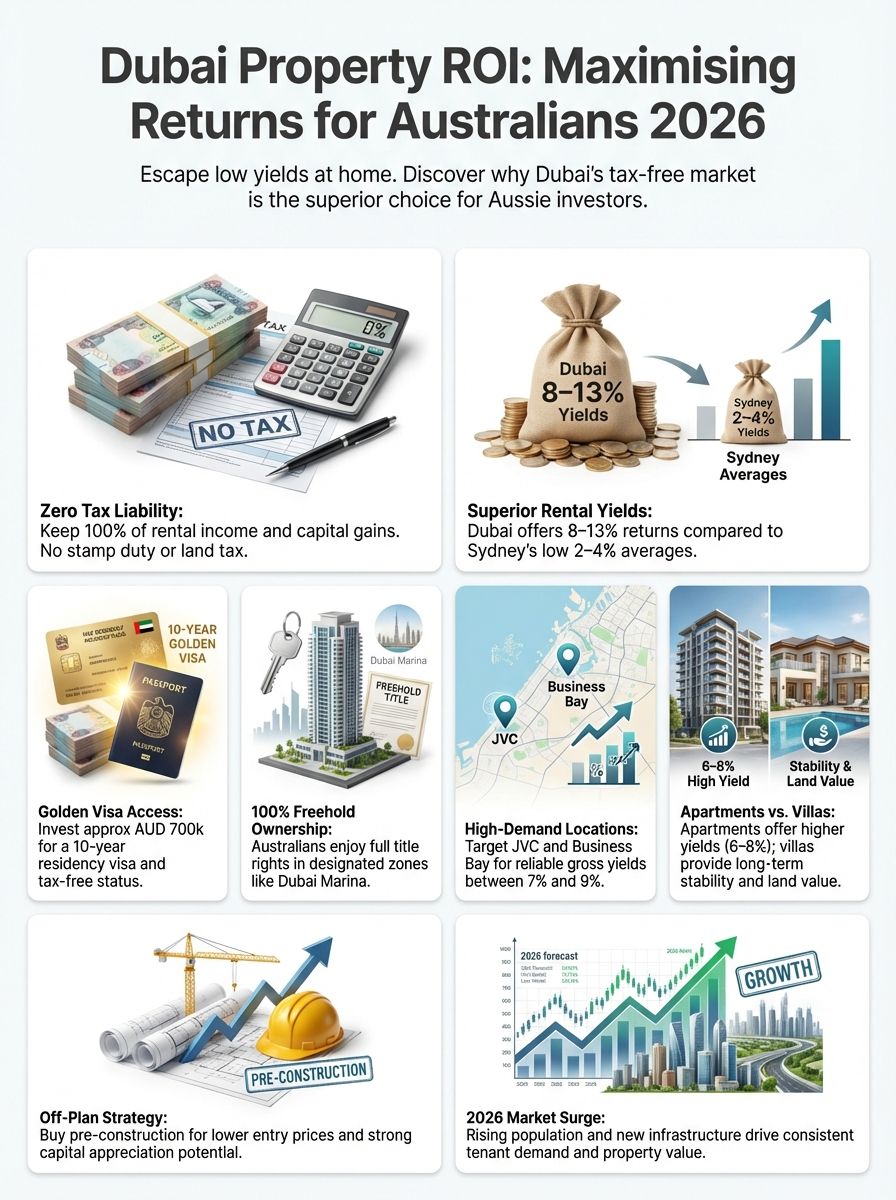
Rental income tax in the UAE is 0 per cent. Property investors keep all profits from rents. No taxes touch business earnings or capital gains in Dubai. This stands out compared to Australia’s high property and stamp duty taxes.
Owning property in Dubai gives Australians pure net income, free from government cuts. 1
Australians can secure a Golden Visa by investing AED 2 million, about AUD 700,000, into approved properties like those in Downtown Dubai or Dubai Marina. This visa allows for up to ten years of residency with no extra tax burden on global assets or returns earned within the United Arab Emirates.
Full ownership rights exist for international investors buying freehold zone properties.
“There is zero rental income tax—every dollar you earn as rent stays yours.” 2
High Rental Yields Compared to Australian Cities

Dubai properties deliver much higher rental yields than major Australian cities like Sydney and Melbourne. Gross returns in Dubai range from 8 to 13 percent, while Sydney typically sits at 2.5 to 4.5 percent, with some outer suburbs reaching up to 5 percent. 3 Studios and one-bed apartments in freehold areas such as Jumeirah Village Circle, Business Bay, and Dubai Hills often bring in between 7 and 9 percent per year.
The strong demand for rentals is driven by steady immigration programs, growing tourism, ongoing infrastructure works around the city centre and spots like Palm Jumeirah.
Apartments tend to offer even higher yields on average—about 6 to 8 percent—especially with well-managed property management services. Villas provide a different edge; though their average yield rests at nearly 4 or sometimes up to 5 percent, they attract long-term family tenants which means stable income for landlords over time.
Service charges typically range from 10 to 25 percent of gross rent, varying significantly by property type—apartments generally have higher service charges than villas – but can be offset by high tenant demand across popular developments run by companies like Emaar Properties.
Investors seeking better capital appreciation should note that ready-to-rent properties give instant earning potential compared to waiting on off-plan sites in the competitive Dubai property market.
Ready to Turn ROI Insights Into Real Results?
Work with a licensed Dubai property expert to pinpoint high-yield opportunities suited to your goals.
Strategic Geographic Location

Strong rental returns are only part of the story, as Dubai’s location between Asia, Europe, and Africa makes it a true global hub. More than four million people will call the city home by 2025, firing up demand for both freehold zonedubai properties and renting options.
Major world economies sit within an eight-hour flight, giving investors access to capital markets in the West or East with ease. 2
World-class infrastructure boosts investment appeal; think rapid travel connections right beside places like Dubai Mall or Burj Khalifa. Projects such as The Heart of Europe and Dubai Islands show how unique locations can help diversify any portfolio for Australians chasing strong return on investment.
Fast flights from Australia make site visits and property management simple for foreign direct investors—no long detours needed.
Understanding Dubai’s Property Market in 2026
Dubai’s property market is set for growth in 2026. With better infrastructure and rising population, more investors will want to buy properties there.
Market Growth Projections
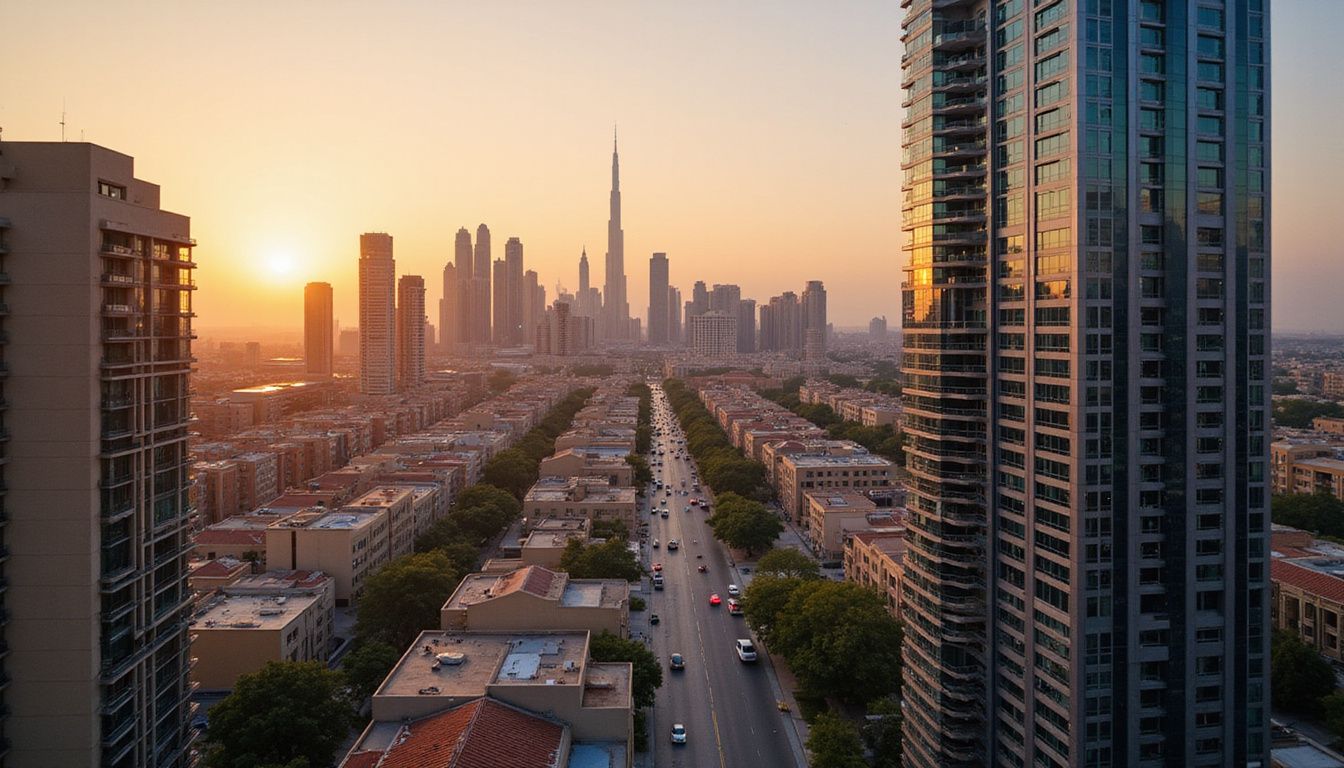
Price growth reached about 15 percent year-on-year through 2025, with 2026 projections indicating moderation to 5-8 percent annual growth as the market stabilises.. The Dubai housing market is set for moderate gains, led by strong end-user demand and more Australians investing for capital growth.
Over 150,000 new residential units were launched in 2025, with approximately 47,000 completions delivered to the market; another surge will push supply toward 366,000 extra homes by late 2028. More people are moving to Dubai too, with the population above four million already and projected to add up to 225,000 new residents in just one year. 4
End-users now prefer buying ready or near-completion properties instead of off-plan developments. Established areas hold more appeal than new locations because they promise stable rental yields.
Sustained immigration, high rental returns compared to Sydney or Melbourne markets, freehold law reforms, and a welcoming real estate regulatory agency all help keep Dubai property investment attractive.
” – Dubai’s growing population drives steady demand for homes—supporting ongoing value increases for smart investors. “
Why Trust Us With Your Dubai Investment Journey?
Learn who we are, why Australian investors choose us, and how our Dubai expertise helps maximise your returns.
Key Drivers of Growth, Including Infrastructure Development
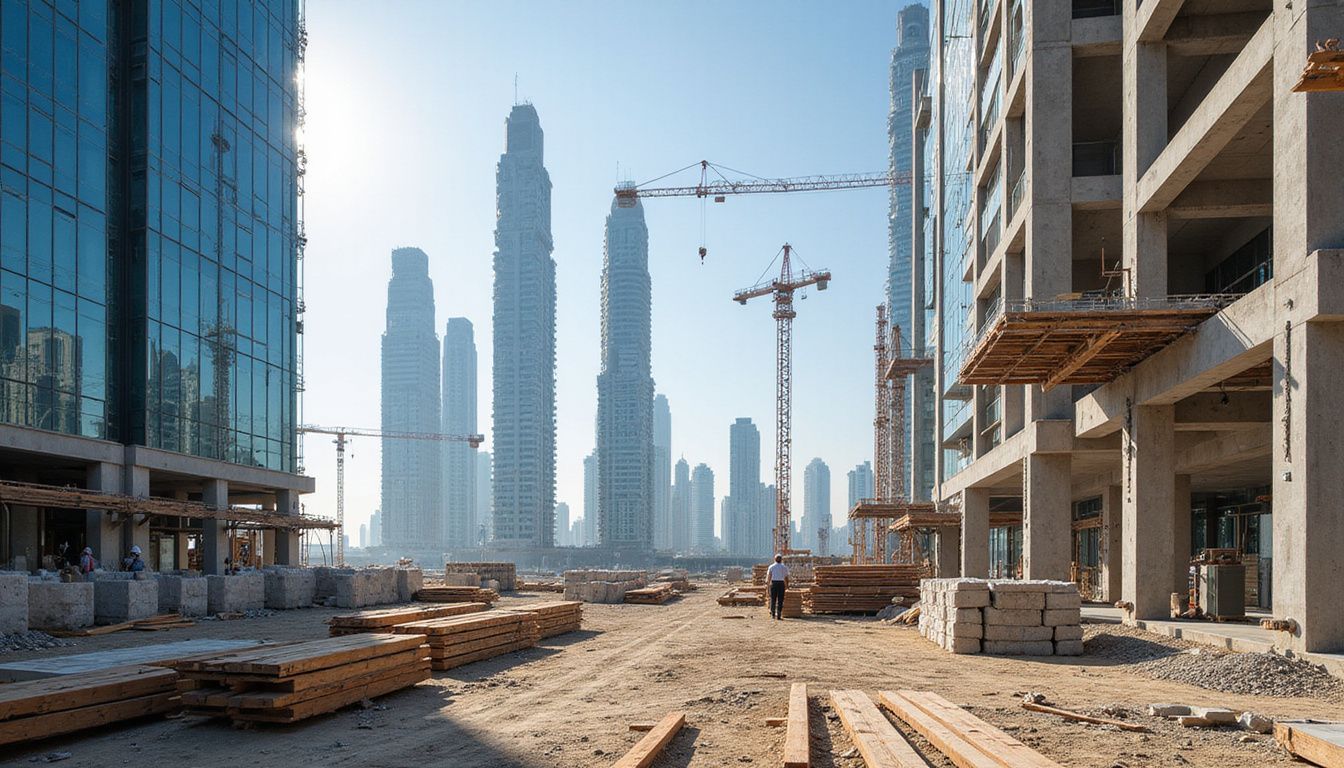
Ongoing infrastructure development drives Dubai’s property market. Major projects like The Parkwood by Emaar offer new chances for investors. The UAE expects economic growth of 5.0% in 2026, thanks to these efforts and its diversification strategy. 5
Dubai is set to showcase luxury living and modern amenities by 2025. More than 150,000 residential units will launch in 2025, adding stability to the market. This growing supply meets rising demand from global investors, including Australians looking for lucrative opportunities in real estate investing.
Maximising ROI: Key Strategies for Australian Investors

Investing in high-demand areas can boost returns. Choose between new builds and ready homes to suit your goals.
Investing in High-Demand Areas
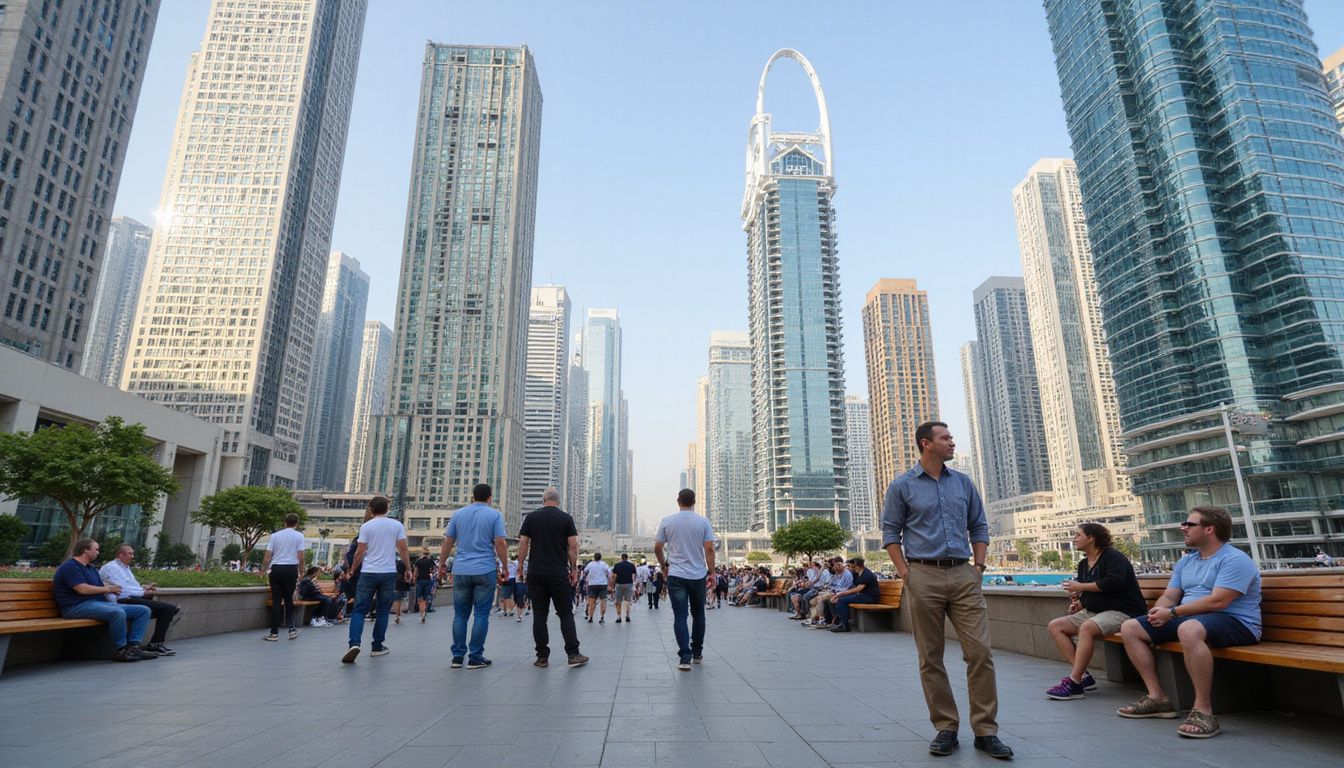
Investing in high-demand areas is smart for Australian investors. Locations like Jumeirah Village Circle (JVC), Business Bay, and Dubai Hills offer gross rental yields of 7-9%. These areas have strong tenant demand and can provide steady rental income.
Luxury spots such as Palm Jumeirah set trends for high returns. Investors should look for places with good infrastructure and amenities to maximise profits. Downtown Dubai, Emaar Beachfront, and Dubai Hills Estate also show great potential for appreciation in value.
Choosing the right spot makes all the difference… It leads us to consider off-plan versus ready properties next.
Choosing Between Off-Plan and Ready Properties

Off-plan and ready properties offer different benefits for investors. Choosing the right type depends on your goals.
- Off-plan properties are still being built. They often come with lower prices and flexible payment plans, making them appealing to new investors. 6
- These investments can appreciate in value as the market grows. You may sell them before completion for potential profit.
- Risks include delays in construction and changing market conditions, which can affect return on investment.
- Ready properties are finished and available for immediate occupancy. Investors can start earning rental income straight away, which is a big advantage.
- These properties enable you to see the finished product and assess construction quality before purchasing.
- The upfront costs may be higher for ready properties compared to off-plan options, meaning you’ll need more capital initially.
- Evaluating the rental yield is crucial. Ready properties often provide clearer estimates of expected rental income, while off-plan yields can be uncertain until completion.
- “By 2026, most serious investors in Dubai are no longer debating whether off-plan or ready is better. That question has already been answered …Read more” 7
Want a Deeper Look at Dubai’s Investment Fundamentals?
Explore the broader benefits — from market growth to tax-free advantages — that make Dubai a smart choice for Australians.
Understanding Rental Yield Potential

Choosing between off-plan and ready properties leads to understanding rental yield potential. This is key for investors in Dubai’s market. Rental yields show how effectively an investment property generates income from rent.
In Dubai, average rental yields for villas sit at 4–5%. For apartments, they range from 6–8%. This indicates that apartment investments often yield higher returns. Apartments are also easier to sell since more people desire them—singles and young couples make up a large buyer pool.
When considering net income, keep in mind service charges. These fees usually range between 10-20% of gross rent. Higher service charges mean lower returns overall. Investing long-term can enhance profits through capital gains too.
Using local expertise and conducting research helps find the best locations for generating income in real estate.
Comparing Dubai Property ROI for Australians vs. Sydney/Melbourne Markets
Moving from rental yield potential to a real comparison, here is how Dubai stacks up against Sydney and Melbourne for Australian property investors…
| Criteria | Dubai | Sydney / Melbourne |
|---|---|---|
| Rental Yields | 6% to 13% per year (apartments, villas) | 2.5% to 4.5% per year (typical residential), up to 5% in high-yield suburbs |
| Tax on Rental Income | 0% (tax-free returns) | Income tax applies, plus capital gains and stamp duty |
| Ownership Rights | 100% foreign ownership allowed in freehold zones | Restrictions for overseas buyers; foreign purchase surcharges apply |
| Property Developer Quality | Emaar Properties, high resale value, consistent delivery | Mixed standards; resale values vary; some high-profile delays |
| Purchase Process | Fully remote, fast, often with digital contracts | In-person, longer settlement, more paperwork |
| Off-Plan Capital Gains | Strong upside, especially pre-launch (Emaar, DAMAC leads) | Modest, less common; risk of oversupply in some suburbs |
| Luxury Market Options | Wide range, strong global demand (Palm Jumeirah, Downtown, Dubai Hills) | Fewer options, higher entry costs, limited stock |
| Infrastructure Impact | Ongoing upgrades, Metro, international connectivity, AI-driven urban planning | Congestion issues, slower upgrades, costly improvements |
| Typical ROI Focus | Income and rapid capital appreciation | Long-term hold, slower capital gains |
Investment Evaluation Checklist
- Examine rental yields and tax benefits from a capital (economics) standpoint.
- Assess property location with regard to infrastructure and renting demand.
- Review market data for market volatility (finance) and overall trends.
- Consider freehold options to secure full ownership and control.
- Research developer reputation and refer to updates from the Dubai Real Estate Regulatory Agency.
- Plan a diversified (finance) approach to manage risk and opportunities.
- Evaluate legal criteria for smooth foreign direct investment.
Case Study Insight
A hypothetical investor compared ready properties with off-plan options and found that freehold properties offered stable control. The investor reviewed market volatility (finance) and shifted funds as part of a diversified (finance) portfolio strategy in an offshore financial centre. This analysis helped in making sound investment choices and improved overall returns.
Compare Yields: Dubai vs Australian Cities
If you’re serious about income-driven investing, get personalised comparisons and insights based on your budget.
Types of Properties to Consider
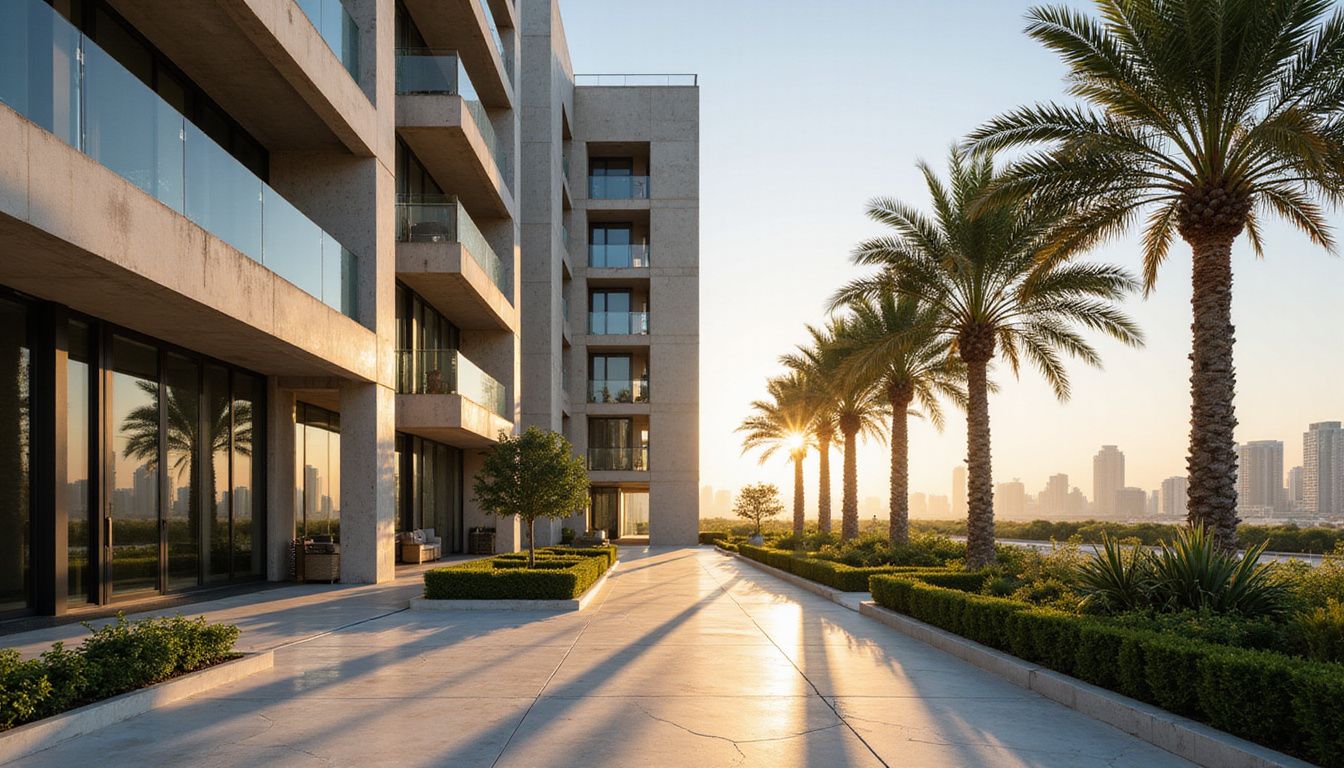
In Dubai, you can find two main types of properties: apartments and villas. Both offer unique benefits for investors looking to maximise their returns.
Apartments vs Villas

Apartments and villas offer different benefits for investors in Dubai. Apartments have higher rental returns, averaging 6–8%. They cost 30-40% less to buy than villas; this makes them great for first-time buyers.
The larger buyer pool includes singles and young couples, making apartments easier to sell. 10
Villas average lower rental yields of 4–5%, but they attract long-term tenants. Prices in prime areas have jumped by over 90% since 2020, according to Knight Frank data. Villas come with land ownership—a rare asset in the Dubai market.
Combining both types can help balance stability from villa appreciation and income from apartment rentals.
Freehold vs Leasehold Properties
Freehold properties in Dubai offer full ownership of both the land and the property. This type is available to expatriates, which means Australians can own these homes outright. Areas like Dubai Marina and Downtown Dubai feature many freehold options.
In contrast, leasehold properties allow ownership for a fixed time—usually 99 years—but do not include the land itself. Most leaseholds are found in older developments owned by local Emiratis. 11
Investing in freehold properties provides total control and good potential for capital growth over time. However, they often come with higher upfront costs and ongoing maintenance duties.
On the other hand, leasehold properties usually have lower purchase prices and may provide steady rental income but might face price stagnation or declines as seen in market trends for 2026.
Risks and Challenges to Consider

Buying property in Dubai has its risks. Market ups and downs can impact your returns. Legal rules for foreign buyers can also be tricky, making it important to stay informed….
Market Volatility

Market volatility in Dubai can be a concern for investors. The property market often shows sudden changes, which can impact your investment returns. Quick recoveries from downturns give some security to buyers.
Still, rapid shifts in the economy make it important to keep an eye on trends. 2
Discussions online point out worries about oversupply and difficulties in finding buyers. Some experts warn of potential softening periods ahead. Many have debated whether the market is in a bubble, raising questions about stability.
Construction delays with off-plan properties add another layer of risk for Australians thinking about buying in this dynamic market.
Questions About ROI, Rental Yields or Market Growth?
Our licensed Dubai property team can walk you through it — from yields to legal considerations.
Legal and Regulatory Complexities for Foreign Buyers

Foreign buyers face several legal and regulatory issues in Dubai.
Compliance with local laws is vital, as there are rules for taxes and property ownership. 13
It’s smart to use joint ventures or partnerships. These can help protect your investment from risks related to cross-border deals. Many buyers choose U.S. Limited Liability Companies (LLCs) for liability protection and better tax treatment.
Ongoing education about changing regulations is key for success in the Dubai market.
Conclusion

Dubai presents a great chance for Australian investors in 2026. The tax-free income and high rental yields make it very appealing. To get the most out of your investment, focus on popular areas and understand both off-plan and ready properties.
Always keep an eye on market changes and work with trusted experts. By doing this, you can maximise your returns while enjoying all that Dubai has to offer!
Not Sure What ROI You Could Achieve? Let’s Map It Out
Every investor’s budget, timeline, and risk level is different. Get a personalised Dubai property ROI breakdown based on your financial goals.
Frequently Asked Questions About Dubai Property ROI for Australians
1. How can Australians use diversification in Dubai’s property market to boost returns?
Spreading your investment across different property types (apartments, villas) and areas (Dubai Marina, JVC, Dubai Hills) lowers risk from market volatility. Apartments typically offer higher yields (6-8%), while villas provide stronger capital appreciation. Mixing both can balance income and growth.
2. What should I know about freehold laws for foreign buyers in Dubai?
Foreigners, including Australians, can buy freehold property in designated areas of Dubai such as Dubai Marina, Downtown Dubai, Palm Jumeirah, JVC, and Dubai Hills. This gives 100% ownership rights with no local partner required, making it easy to rent, sell, or pass on to heirs.
3. Does currency movement affect my ROI if I invest with Australian dollars?
Yes, changes between the Australian dollar and UAE dirham impact your returns. The AED is pegged to the USD, so you’re essentially tracking AUD/USD movements. A weaker AUD when buying means higher costs; a stronger AUD when selling or repatriating rent reduces your returns. Consider timing or hedging strategies for large transactions.ollar and UAE dirham impact profits or losses; watch exchange rates closely before buying or selling.
4. Are there special rules for mortgages or loans for Australians investing offshore?
Yes, Dubai banks offer mortgages to non-resident Australians. Typical terms include:
- LTV (Loan-to-Value): Up to 50-75% for non-residents (varies by bank and property value)
- Interest rates: Around 4-6% variable
- Minimum property value: Often AED 1 million+
- Term: Up to 25 years
Requirements include proof of income, bank statements, and passport copies. The Dubai Land Department (not RERA) oversees property registration, while RERA regulates agents and developers.”
Note: “Real Estate Regulatory Agency” should be “RERA” (Real Estate Regulatory Authority) for accuracy.
5. Can immigrant investor programs help with travel visas or tax benefits linked to real estate?
Yes, Dubai’s Golden Visa program offers 10-year residency for property investors who purchase real estate worth AED 2 million (~AUD 700,000) or more. Benefits include:
- Long-term UAE residency for you and family
- No minimum stay requirements
- Ability to sponsor dependents
- Access to UAE banking and business opportunities
Note: The Golden Visa doesn’t provide direct tax benefits—UAE already has 0% income tax on rental earnings and no capital gains tax for individuals.
6. What are the total costs of buying property in Dubai?
Budget for approximately 7-8% in transaction costs: 4% DLD (Dubai Land Department) registration fee, 2% agency commission, plus admin fees and mortgage costs if applicable.
7. Can I manage my Dubai property from Australia?
Yes, many investors use property management companies that handle tenant sourcing, rent collection, and maintenance for 5-8% of annual rent. Remote ownership is common and well-supported.
8. Is Dubai property a good investment in 2026?
Dubai offers strong fundamentals: 6-8% rental yields, tax-free income, population growth exceeding 200,000 annually, and major infrastructure projects. However, market growth is expected to moderate to 5-8% in 2026 after strong gains in 2024-2025.
References
- ^ https://palladian.ae/why-australians-should-invest-in-dubai-real-estate/ (2024-11-26)
- ^ https://thoe.com/investing-in-dubai-a-lucrative-opportunity/
- ^ https://www.engelvoelkers.com/ae/en/resources/dubai-housing-market
- ^ https://www.globalpropertyguide.com/middle-east/united-arab-emirates/price-history
- ^ https://properties.emaar.com/en/blog/investors-guide-off-plan-vs-ready-properties-in-dubai-whats-best/ (2025-09-18)
- ^ https://investindubaihomes.com.au/blog/is-dubai-property-a-good-investment-for-australians-in-2025/ (2025-07-28)
- ^ https://avrealproperties.com/blog/freehold-vs-leasehold-in-dubai-2026-investor-guide-to-ownership-strategy
- ^ https://www.apimagazine.com.au/news/article/australians-looking-to-dubai-as-next-property-investment-frontier (2025-09-11)
- ^ https://brevitas.com/blog/Strategies-to-reach-international-real-estate-investors
🔗 Valuable Resource Links
Government & Official Sources:
Major Real Estate Platforms & Research:
- Knight Frank – Dubai Market Reports
- Bayut – Dubai Market Reports
- Property Finder – Market Insights
- Cavendish Maxwell – Research
- ValuStrat – Dubai Real Estate
Financial & Research Institutions:
News & Media:
- Gulf News – Property Section
- Khaleej Times – Real Estate
- The National – Property
- Arabian Business – Real Estate
Australian Market Sources:
Disclaimer: All information provided by Dubai Property for Aussies (DPA) is for educational and informational purposes only. It should not be considered financial, legal, or investment advice.
DPA does not offer professional advisory services. We strongly encourage users to seek independent financial or legal guidance before making any property-related or investment decisions.