Dubai’s property market has hit record heights in 2025, making it one of the hottest investment destinations in the world.
Over 58% of property transactions in Q2 2025 were driven by international investors, according to data from The Luxury Playbook.
For Australians, this boom is real. A score over 680 unlocks the best mortgage terms, and knowing the right freehold areas can be your greatest source of leverage.
This guide will break down exactly what these numbers mean and give you the insider strategies to negotiate a fantastic deal on Dubai property. We’ll show you how to turn regulations and fees into your negotiating advantage, giving you the confidence to secure an investment you’ll be happy with.
🎧 Listen to this article in podcast style
Key Takeaways
- Australians can legally buy freehold property in Dubai’s designated areas, like Palm Jumeirah or Downtown, with ownership registered through the Dubai Land Department (DLD).
- A 4% registration fee applies to all property purchases. Buyers typically pay an additional agency fee of about 2%, plus a deposit of 10%.
- Australian buyers must be at least 21 years old, show a minimum income of AED 15,000 monthly for mortgages, and hold a valid UAE residency visa.
- Owning property worth at least AED 750,000 may qualify investors for residency visas, including Property Investor Visa (2 years), Golden Visa (10 years), or Retirement Visa.
- Legal advice from a UAE-qualified property lawyer is essential before signing documents to ensure eligibility compliance and protect against fraud or hidden fees.

Overview of Dubai’s Real Estate Landscape

Dubai attracted approximately 94,700 investors in the first half of 2025, a 26% increase from the same period last year, according to the Dubai Land Department. Total residential sales hit AED 120 billion in Q2 2025 alone.
The city offers real estate options like freehold and leasehold ownership.
Foreigners, including Australians, can buy in special freehold zones such as Palm Jumeirah, Dubai Marina, Downtown Dubai, and Dubai Creek Harbour. These areas draw many overseas investors with their modern buildings and regular new development projects.
The Dubai Land Department controls all land regulations and manages the property registration process. In 2024, Dubai recorded 226,000 real estate transactions with a combined value of AED 761 billion, reflecting a 36% increase in volume and a 20% rise in value year-over-year. Investors should always check developer credentials before making decisions to protect their interests.
Average time-on-market dropped to just 34 days in 2025, showing fierce demand for quality properties.
Aussie buyers will need to factor in extra costs like registration fees, ongoing maintenance charges, and service levies during any deal related to Dubai’s lively property market.
Find Out What You Could Own in Dubai
Ready to see which Dubai properties match your goals?
Why Australians are Investing in Dubai

Aussies see Dubai’s real estate market as a strong investment choice. Apartment prices registered a 15.22% annual increase in 2025, while villa prices rose by 17.81%, according to the UAE’s Residential Property Market Analysis.
Freehold ownership gives full control, which is attractive for Australians used to owning land back home.
According to the Australian Bureau of Statistics, Australians collectively held more than A$4.3 trillion in overseas investments as of December 2024. Dubai’s appeal is simple: rental yields range from 5% to 8% in many areas, significantly higher than in many major Australian cities. Properties in popular areas like Palm Jumeirah, Dubai Marina, and Downtown offer high potential for profit.
Favourable tax policies mean no taxes on personal income, property purchases, capital gains, or inheritance in many cases.
This makes the market even more appealing compared to options at home or elsewhere abroad. Dubai’s population surpassed 4 million in September 2025, and is expected to reach 5 million by 2030, driving sustained housing demand.
Strict rules from the Dubai Land Department protect investors’ rights. Clear regulations allow foreigners to own property in designated freehold zones, making the investment process transparent and secure for international buyers.
Understanding Dubai’s Property Laws
Dubai’s legal framework sets out clear rules for foreign buyers. Understanding freehold versus leasehold ownership helps you pick the right investment type.
The Dubai Land Department regulates every transaction to keep the market transparent.
Freehold vs. Leasehold Properties

Freehold properties in Dubai grant buyers complete and indefinite property rights. Owners can sell, lease, or pass these buildings on to family, much like owning a home in Sydney or Melbourne. Foreign nationals from Australia can purchase apartments and villas in designated freehold areas.
The full ownership transfers to them and stays in their name until they decide to sell.
Introduced in 2002 through Law 7 of 2006, freehold ownership allows foreigners to own property in designated zones in perpetuity. The Dubai Land Department records every transaction for legal protection.
Leasehold ownership works differently.
Buyers hold rights to use the property for a set period, usually up to 99 years. After this time runs out, land tenure returns to the original landowner with no claim remaining for the tenant. Lease agreements must outline all key terms before you sign.
Always get advice from a UAE property lawyer who knows local conveyancing laws before committing to either type of ownership.
The Role of the Dubai Land Department (DLD)

The Dubai Land Department oversees all property registration and real estate transactions in Dubai. Australians investing in property must register their purchases with the DLD after signing the sale agreement.
- The DLD allows foreign nationals to buy and enjoy full freehold ownership rights, but only in designated freehold areas of the city.
- It regulates property laws for foreign investors and sets a mandatory registration fee at about 4% of your property’s price.
- The DLD manages the official land registry and maintains transparency by documenting all transactions.
- Registration (this applies to developers, not buyers directly) must be completed within 60 days of the transaction to avoid penalties or delays.
The DLD issues the title deed to the buyer upon successful registration. This official document proves ownership and protects the buyer’s rights under UAE law. To protect buyers’ interests, the DLD ensures that every transfer meets strict legal checks and is properly documented.
Buyers need to verify developers’ credentials as part of required due diligence under DLD rules.
Ownership Regulations for Australians
Australian buyers must follow Dubai’s strict legal framework on property ownership. Understanding eligibility and restrictions helps you avoid costly mistakes during the purchase process.
Eligibility Criteria for Foreign Ownership

Foreign nationals, including Australians, can purchase real estate in Dubai’s freehold areas.
To meet mortgage eligibility in Dubai, buyers must meet these requirements:
| Requirement | Details |
|---|---|
| Age | Minimum 21 years old |
| Income (Salaried) | Minimum AED 15,000 monthly |
| Income (Self-Employed) | Minimum AED 25,000 monthly |
| Visa | Valid UAE residency visa for residents |
| Employment | At least 6-12 months in current job |
The local ownership laws allow you to hold full title on a property classed as freehold. Leasehold properties only offer limited rights for a set number of years. Legal advice from a UAE-qualified property lawyer will help you understand current foreign investment restrictions or limitations before signing any agreement.
Strict rules exist over which districts permit foreign ownership. Always check that your chosen development has official approval for overseas investors before proceeding with any property investment.
Connect with a Dubai-Based Property Expert
Get transparent, on-the-ground guidance from a broker with over 10 years’ experience.
Restrictions and Limitations
Australian buyers can own freehold property only in certain zones, called “designated areas,” as set by Dubai’s land regulations.
Here’s what you need to know:
- Title deeds must be registered with the Dubai Land Department within 60 days of purchase.
- Australians cannot buy agricultural or industrial land for residential purposes.
- Joint ownership is allowed for up to four people per property, yet all names must appear on the title.
- Some buildings limit foreign ownership to specific floors or units.
- Minimum property values may apply if you want a residency visa through investment.
Zoning regulations and tenure laws regulate how properties are used. Choose legal compliance before finalising your purchase. Dubai has around 50 designated freehold areas where both UAE nationals and expatriates can purchase property with full ownership rights.
Legal Residency Requirements for Property Owners

Owning Dubai property may grant you the chance to apply for a residency permit. This benefit adds significant value beyond just real estate investment.
Types of Visas Available for Property Owners
Property investors from Australia can secure visas that support their residency and investment goals in Dubai. Henley & Partners predicts the UAE will attract 9,800 millionaires in 2025, more than any other country worldwide.
Different visa categories fit various property values and investment plans:
- Two-Year Property Investor Visa allows you to stay for up to five years if your real estate investment exceeds AED 750,000 (approximately AUD 310,000). This visa supports property rights and allows you to live in Dubai as long as your ownership continues.
- Golden Visa offers a ten-year residency for those investing at least AED 2 million in real estate. It covers family members and helps with long-term immigration plans, providing unparalleled flexibility with no requirement for a UAE sponsor.
- Six-Month Multiple-Entry Visa provides short-term residency for Australians exploring the market or finalising legal framework steps before permanent settlement.
- Retirement Visa requires property ownership worth at least AED 1 million, plus proof of financial stability, offering a legal pathway for Australians over 55 seeking retirement in Dubai.
- Dependent Visas go to immediate family members of eligible investors, supporting stable tenancy and extended stay options.
- Company Owner Visa applies if you buy property through a business entity, blending investment benefits with company-based legal protections under Dubai Land Department rules.
The total cost for a 10-year Golden Visa residency permit is approximately AED 9,884.75, which includes medical examination, Emirates ID, confirmation fees, DLD fees, and administrative fees.
Process of Obtaining a Residency Visa Through Property Investment

Securing a residency visa through property investment lets Australians live in Dubai through property ownership. This process is straightforward when you follow the proper steps.
- Select a freehold property in one of Dubai’s approved areas where foreign nationals can own real estate outright.
- Make sure your investment meets the minimum threshold. For a 5-year visa, the requirement is AED 750,000 (about AUD 310,000). For a 10-year Golden Visa, you need AED 2 million (about AUD 840,000) as set by authorities.
- Register the purchase with the Dubai Land Department, paying registration fees of around 4% of the property’s value.
- Obtain all legal documents needed for your application. These include title deeds and proof of payment.
- Apply for a residency visa at the General Directorate of Residency and Foreigners Affairs or through ICP Smart Services after securing your title deed.
- Attend medical checks and submit biometric data as part of standard residency requirements in Dubai.
- Wait for processing. After approval, you receive a renewable two, three, five, or ten-year residency visa tied to your property investment.
- Use legal assistance from a qualified UAE-based lawyer to ensure full compliance with local laws and smooth progress at each stage.
- Consider additional expenses, such as maintenance fees (typically AED 8-25 per square foot annually) or service charges that come with owning property in Dubai’s freehold zones.
- Renew your visa before it expires by maintaining ownership and meeting all set criteria every cycle.
This approach provides both stability and flexibility while opening doors to living or investing long-term in Dubai’s dynamic market.
Steps to Buying Property in Dubai as an Australian

Buying real estate in Dubai as an Australian starts with finding the right property, then moves through negotiation, due diligence, and official registration. Each step requires careful attention to local regulations and fees.
Finding a Property: Agents and Listings
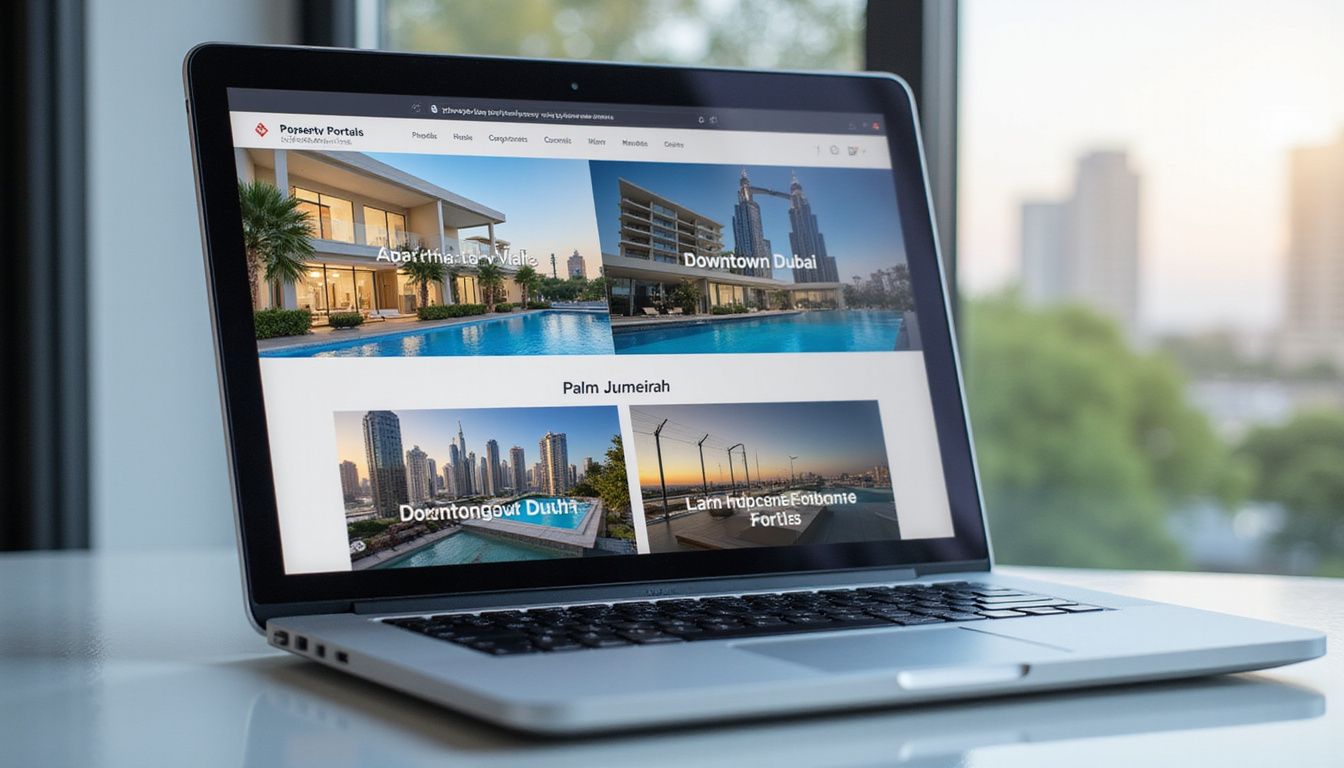
Real estate agents in Dubai help buyers and investors explore the property market. Many agencies specialise in helping overseas homebuyers, including Australians, find freehold and leasehold properties.
Popular property portals include:
- Property Finder
- Bayut
- Dubizzle
These platforms display apartments, villas, and commercial spaces for sale across popular areas like Downtown Dubai, Palm Jumeirah, and Dubai Marina. As of early 2025, the average price per square foot in Downtown Dubai is approximately AED 2,200 to AED 2,800, depending on the tower and view.
Agents assist with property inspection bookings and sharing title deed details.
Most listings display asking prices in UAE dirhams along with features such as swimming pools or views of Burj Khalifa. Buyers can arrange visits at short notice through their agent. Some sellers accept offers directly, while others follow a set process to ensure fair conveyancing.
Always check agent credentials through the Dubai Land Department’s records before making commitments on an investment property. The Real Estate Regulatory Agency (RERA) licenses all legitimate agents.
Take the 2-Minute Investment QuizDiscover the best Dubai property options for Australian investors — fast, safe, and free.
The Buying Process: From Offer to Transfer

The buying process follows a clear sequence from initial offer to final ownership transfer.
Sydney investors often start by finding a property in one of Dubai’s freehold areas, using trusted agents and online listings.
- Buyers make an official offer through their real estate agent. Once the seller accepts, both sides sign a Memorandum of Understanding (MOU), which details the price and conditions.
- A payment of 10% deposit follows immediately after signing the MOU. This shows commitment to finalising the sale.
- Conducting due diligence is vital, including verifying the title deed, inspecting the building quality, and confirming that all service charges and maintenance fees are clear with the developer.
- A No Objection Certificate (NOC) must come from the project’s developer before any legal transfer. The NOC proves there are no outstanding issues on the unit.
- The Dubai Land Department requires all buyers and sellers to be present for transfer at their office. You pay a 4% registration fee to DLD, plus about 2% agency fee during this step.
- Settlement takes place at DLD where you hand over remaining funds and receive your new title deed. Financing options like home loans may require bank approval prior to transfer.
- After settlement, ensure your lease agreement or ownership papers match what was agreed in earlier steps. Always keep copies of stamped agreements and receipts for future reference.
As of February 2025, the UAE Central Bank prohibits financing of DLD fees and broker commissions, requiring buyers to pay these upfront.
Financial Considerations

Australian buyers need to understand Dubai’s property taxes, fees, and available financing choices. These costs add up quickly and can significantly affect your total investment outlay.
Understanding Taxes and Fees

Dubai does not charge property ownership tax for real estate investors, but buyers face other costs at purchase.
Here’s a breakdown of the main fees:
| Fee Type | Cost |
|---|---|
| DLD Registration Fee | 4% of property price |
| Property Registration Fee | AED 4,000 (properties over AED 500,000) |
| Title Deed Fee | AED 250-500 |
| Agency Fee | 2% of property price + 5% VAT |
| Mortgage Registration | 0.25% of loan amount + AED 290 |
| DLD Trustee Fee | AED 4,200 (fixed) |
A deposit, often 10% of the purchase price, secures your chosen home or investment after signing a Memorandum of Understanding. These expenses together total about 5-7% of the property’s value.
Banks like HSBC UAE offer mortgages to buyers with minimum earnings of at least AED 15,000 a month, according to Expatica’s 2025 guide. Legal counsel familiar with UAE conveyancing law can help you avoid surprises and check all documents before finalising payment or title registration.
Always include these costs in market analysis to estimate your total outlay when investing in locations like Palm Jumeirah, Dubai Marina, or Downtown Dubai.
Financing Options for Australians
Australians can apply for home loans through banks in Dubai, but strict rules apply.
Major banks offering mortgages to foreign buyers include:
- HSBC UAE
- Emirates NBD
- Mashreq Bank
- First Abu Dhabi Bank
- Abu Dhabi Commercial Bank
- Standard Chartered
As of early 2025, mortgage rates for foreign buyers range from 3.99% to 6.2% annually for fixed-rate mortgages, while variable rates start around 3.5% but carry adjustment risks. According to UAE Central Bank data from late 2024, the average mortgage rate for foreign buyers was 5.8%, compared to 4.9% for UAE nationals.
Expats need a down payment of at least 20% if buying a property worth up to AED 5 million. More expensive homes require a deposit of at least 30%. For UAE nationals, these amounts are 15% and 25% respectively. Non-resident foreign investors typically max out at 50-60% financing, requiring 40-50% down payments.
Key financial documentation includes your passport, Emirates ID (for residents), residency visa copy, salary certificate or business income proof, and evidence of funds for the down payment. Self-employed borrowers need to have been running their business for at least two years.
Using a local mortgage broker helps you compare rates and secure good deals that suit your situation. Each bank sets its own lending policies, so it pays to do careful research before signing any agreement.
Protecting Your Investment
Smart property ownership means checking every detail. Legal frameworks and real estate experts help Australians protect their investments in Dubai.
Due Diligence Before Purchase
Verify the developer’s credentials using Dubai Land Department records. Study their project history to check for timely handovers and building quality.
Research online reviews, recent complaints, or issues reported against the developer by past buyers. Visit current sites if possible. A strong track record can give you confidence in property acquisition. Notable completions in 2025 include Viridian by Meraas in Al Wasl, Palace Residences by Emaar in Dubai Creek Harbour, and Ellington House in Dubai Hills Estate.
Always inspect the title deed before signing anything.
Check that the name matches your seller and verify its validity with DLD or a qualified UAE property lawyer. Leading property law firms in Dubai include:
- Al Tamimi & Company
- Baker McKenzie Habib Al Mulla
- Al Safar & Partners
- AWS Legal Group
Hire legal consultation services familiar with foreign investment protection and ownership documentation requirements in Dubai. Review all key documents like sales contracts, payment schedule structures, Memorandum of Understanding, as well as any off-plan agreements.
Inspect the property yourself before paying large deposits. Look at construction standards, fittings, and finishes for defects or delays that might lower its value later on.
Pay attention to extra costs such as registration fees, annual maintenance fees (typically AED 8-25 per square foot), service charges, or transfer charges linked to your purchase. Every transaction must be registered through DLD processes to secure your rights legally.
Start Your Dubai Investment Journey
Turn your dream of tax-free property income and a Golden Visa into reality.
Legal Protections for Foreign Investors
After you complete due diligence, legal protections play a vital role in securing your Dubai property investment. The Dubai Land Department manages all land registration and ensures that foreign investors, including Australians, can safely own real estate within approved freehold zones.
Ownership rights are clear. If you buy in these areas, the title deed lists you as the full owner.
Legal counsel is highly recommended at every step.
A UAE property lawyer can help review contracts and make sure regulatory compliance is met before signing anything. For each sale, a No Objection Certificate from the developer is required to move forward with conveyancing. This certificate confirms there are no outstanding fees or disputes on the property.
Land registration with the DLD makes your ownership official and protects against fraud or double selling. Dubai Real Estate Law No. 7 of 2006 established the legal basis for property registration in Dubai, defining freehold and leasehold ownership rights. These steps give strong investment security by making sure your name appears on government records for the property and safeguarding your asset under local law.
Living in Dubai: What to Expect

Life in Dubai mixes modern comforts, a lively real estate market, and fresh experiences for Australians ready to explore more. The city welcomed 18.7 million overnight visitors during 2024, marking a 9% increase from the previous year.
Cultural Considerations
Dubai stands as a multicultural city, home to expatriate groups from all over the world. The mix of customs and traditions gives Dubai a unique feel.
Australians will notice strong hospitality, with respect for local etiquette especially during religious events such as Ramadan.
Simple acts like greeting with “As-salamu alaykum,” dressing modestly in public places, and using polite language show an understanding of local customs. Tolerance forms part of daily life here. Many communities live side by side peacefully, practising their lifestyles freely within certain guidelines.
Australian expats often blend smoothly into these diverse communities. Joining community groups or international clubs helps new residents build friendships while adjusting to life in Dubai. Understanding how people interact and follow social rules can make settling down easier for Australians planning to buy property.
The Lifestyle for Australians in Dubai
Australians living in Dubai find a vibrant social life shaped by many expatriates and strong cultural diversity. Cafés, sporting clubs, and restaurants fill the city’s busy areas, making it easy to meet people from all over the globe.
Housing options range from modern apartments with city views to spacious villas in family-friendly suburbs.
Most property developments include pools, gyms, and community spaces. Average hotel occupancy rates hit 78% in 2024, showing the city’s appeal to visitors and residents alike.
The cost of living can feel high, especially for imported goods and school fees at international institutions. Many Australians adjust quickly by using public transportation like the Metro or trams for daily travel around Dubai’s clean streets. Summer brings hot weather, with temperatures soaring from June through September, making staying cool indoors common.
Local customs shape everyday life too.
Respecting dress codes in public places matters just as much as trying local foods or celebrating both UAE and Australian holidays with friends new and old. Employment opportunities exist across finance, healthcare, construction, education systems, tourism businesses, and many Australians work in these fields while enjoying tax-free income under current laws.
Conclusion
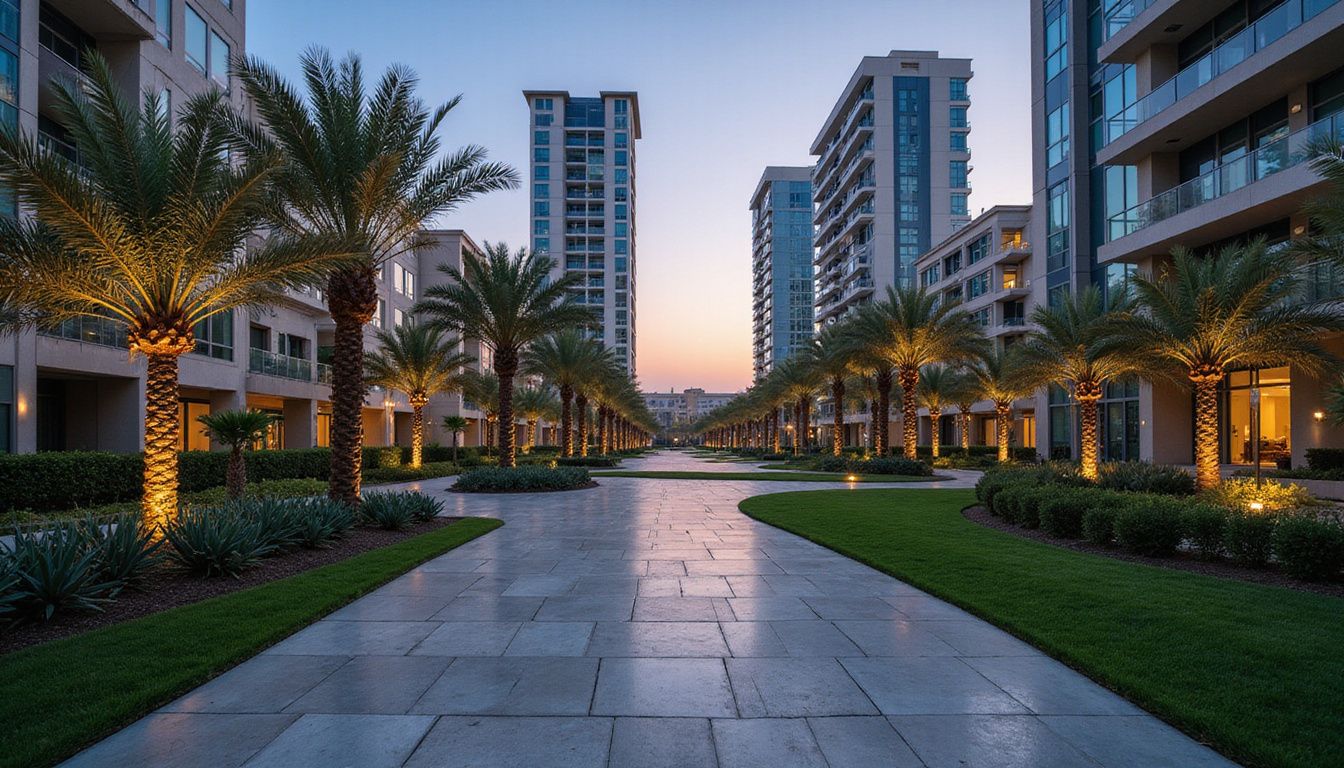
Thinking about investing in Dubai property as an Australian? Start your journey with this legal guide and discover how you can own real estate in one of the world’s most exciting markets.
Recap of Key Points
Australians can fully own property in Dubai’s freehold areas or choose leasehold options instead. The Dubai Land Department oversees all property registration and conveyancing. Legal advice from a UAE property lawyer is vital before signing any agreements, especially the Memorandum of Understanding, which triggers a 10% deposit payment.
Registration fees sit at about 4% of the real estate price, with extra maintenance and service charges likely.
Mortgage eligibility starts at age 21, requires a valid residency visa for residents, and depends on income criteria set by lenders. Banks like HSBC, Emirates NBD, and Mashreq Bank offer competitive rates to foreign buyers. Palm Jumeirah, Dubai Marina, and Downtown Dubai remain popular neighbourhoods for Australian investors seeking new investment opportunities in urban development projects.
Buying residential property also allows you to apply for a residency visa through your investment, widening both lifestyle choices and financial options in the UAE housing market.
Final Thoughts on Investing in Dubai’s Property Market
Dubai’s real estate scene attracts Australians with its strong economy and investor-friendly tax laws, making property investment appealing. Freehold options allow you full ownership of a flat or villa, while leasehold titles run for up to 99 years. Popular spots for buyers include Palm Jumeirah, Dubai Marina, Downtown Dubai, Dubai Creek Harbour, and D3.
In Q3 2025, around 1,500 transactions exceeded AED 10 million, including 500 off-plan sales, showing strong demand in the luxury segment.
Gross rental yields grew to 6.7% in 2024, reflecting sustained demand across villas and apartments.
The process is clear cut. The Dubai Land Department oversees regulations and manages compliance to protect your rights. Buyers start by signing a Memorandum of Understanding, paying a deposit, then finalising the sale agreement before registration at the DLD office.
Always check the reputation of any property developer. Due diligence helps reduce risk.
Foreign owners can apply for several visa types tied to their asset value as well. Careful market analysis is crucial before purchase. Look closely at expected returns and future growth factors in each district.
With proper research into taxes, fees, and financing choices available for Aussies, investment opportunities may lead to solid long-term rewards in this global hotspot without complicated legal hurdles holding you back.
Frequently Asked Questions About Dubai Property Law
1. Can Australians legally purchase property in Dubai?
Yes, Australians can own 100% freehold property in designated areas like Downtown Dubai, Dubai Marina, and Palm Jumeirah. The process is regulated by the Dubai Land Department (DLD), ensuring a secure transaction for foreign nationals. This right was specifically granted to encourage international investment in the city’s real estate market.
2. What are the main legal requirements for Australians buying Dubai real estate?
You will need a valid passport and sufficient proof of funds to complete the purchase. The key legal documents include a No-Objection Certificate (NOC) from the property developer and a signed purchase agreement, officially known as ‘Form F’. A UAE residency visa is not required to buy property, only if you intend to live there.
3. Do I need to pay taxes when buying property in Dubai as an Australian?
You will not pay ongoing property taxes, capital gains tax, or tax on rental income in Dubai, but a one-time 4% transfer fee payable to the Dubai Land Department is mandatory on purchase.
4. Should I hire a lawyer when purchasing Dubai property?
Hiring a lawyer is strongly recommended to perform due diligence on the property’s title and history. They can also arrange a Power of Attorney (POA), allowing you to complete the purchase from Australia without being physically present. This protects your investment by ensuring all contracts and legal requirements are properly managed.
🔗 Valuable Resource Links
UAE Government: Expatriates Buying a Property in the UAE
Official government guidance on foreign ownership rights, freehold zones, and the legal process for expatriates and non-residents.
Dubai Land Department: Buy or Sell Property via Dubai Now
Official government service for buying and selling property in Dubai, outlining eligibility, escrow requirements, digital contracts, and title deed issuance.
Dubai Land Department: Property Sale Registration
Step-by-step guide to registering a property sale, including required documents, fees, and the legal process for both buyers and sellers.
Dubai Land Department: First Time Home Buyer Overview
Government initiative and guidance for first-time buyers, including eligibility, process, and support services.
Dubai Land Department: Real Estate Activity License
Details on licensing requirements for real estate professionals, ensuring buyers work with registered and regulated agents.
Dubai Land Department: Property Status Enquiry
Service to verify the legal status and ownership of any property in Dubai, helping buyers avoid fraud and confirm legitimacy.
The National News: UAE Property Law—Rules and Processes Foreign Buyers Need to Know (2025)
A leading UAE news outlet’s comprehensive guide to the legal process, documentation, and protections for foreign buyers in Dubai..
The National News: UAE Property Law—Rules and Processes Foreign Buyers Need to Know (2025)
A leading UAE news outlet’s guide to the legal process, documentation, freehold zones, and protections for foreign buyers in Dubai.
Kayrouz & Associates: UAE Real Estate Laws and Regulations 2025
A practical legal overview of UAE real estate regulation, including federal and Dubai-specific laws, escrow, inheritance, and compliance.
Times of India: UAE’s 2025 Tax Update—How Real Estate Firms Can Save on Fair-Valued Assets
Covers the latest tax reforms, depreciation rules, and compliance for real estate assets, relevant for both individuals and firms.
Ministry of Justice: Latest Legislations and Laws
Official portal for the latest UAE federal laws and regulations, including real estate legislation and updates.
The Property: 2025 Real Estate Regulatory Changes Every Buyer & Seller Must Know
Summarizes the latest regulatory changes in 2025, including expanded freehold zones, digital title deeds, and new buyer protections.
Ministry of Economy: Real Estate Brokers & Agents Record-Keeping Rules
Regulatory requirements for real estate brokers and agents, including anti-money laundering compliance and record-keeping obligations.
Government & Official Sources:
- ✅ Dubai Land Department (dubailand.gov.ae)
- ✅ UAE Government Portal (u.ae)
- ✅ Dubai Supply Authority (dusup.ae)
International Consultancies & Research Firms:
- ✅ Cavendish Maxwell (cavendishmaxwell.com)
- ✅ Knight Frank (knightfrank.com)
- ✅ Deloitte Middle East (deloitte.com)
- ✅ Henley Global (henleyglobal.com)
Major Real Estate Platforms & Firms:
- ✅ Property Finder (propertyfinder.com)
- ✅ Bayut (bayut.com)
- ✅ Engel & Völkers (engelvoelkers.com)
- ✅ Emaar Properties (properties.emaar.com)
Financial & News Media:
- ✅ Gulf News (gulfnews.com)
- ✅ Arabian Business (arabianbusiness.com)
- ✅ Khaleej Times (khaleejtimes.com)
- ✅ Reuters (reuters.com)
- ✅ Zawya (zawya.com)
- ✅ Economy Middle East (economymiddleeast.com)
International Property Resources:
- ✅ Global Property Guide (globalpropertyguide.com)
- ✅ Tranio (tranio.com)
- ✅ Expatica (expatica.com)
Disclaimer: All information provided by Dubai Property for Aussies (DPA) is for educational and informational purposes only. It should not be considered financial, legal, or investment advice.
DPA does not offer professional advisory services. We strongly encourage users to seek independent financial or legal guidance before making any property-related or investment decisions.