If you’re watching the Aussie property market and wondering where your money can work harder, you’re onto something big.
Sydney and Melbourne property prices feel like climbing Mount Everest without oxygen.
Data from property investment sites show that gross rental yields in Australian metro markets were generally between 3% and 4% in 2024—for example, Sydney units about 3.1–3.5% and Melbourne units around 3.7–4.2%. In Australia there is upfront stamp duty on purchase and capital‑gains tax (CGT) on sale; Dubai has neither. For many Australian investors, the local market is simply pricing them out of real opportunities.
Dubai offers a completely different equation.
An Engel & Völkers 2025 rental‑yield report lists Dubai’s overall rental yield at 6.76%, apartments 7.12% and villas 4.92%. There’s no capital gains tax when you sell, no annual property tax, and a one-time 4% registration fee replaces the hefty stamp duty you’d face back home.
This guide breaks down exactly what these numbers mean for your wallet.
We’ll show you how Dubai’s tax-free environment, high-growth hotspots like Downtown Dubai and Business Bay, and flexible payment plans on off-plan properties can help you build wealth faster than traditional Australian investments. You’ll also discover the insider secrets to navigating the Dubai Land Department, securing a Golden Visa through property investment, and choosing locations that deliver both strong rental income and capital appreciation.
🎧 Listen to this article in podcast style
Key Takeaways
- As of 2025, Dubai rental yields average 6.76% overall, with apartments delivering 7.12% and specific areas like Jumeirah Village Circle reaching 7.59% nearly double Sydney’s 3.4% and Melbourne’s 3.7%.
- The Dubai Land Department (DLD) charges a 4% transfer fee to register the sale; there is no annual property tax or CGT on freehold property, versus the hefty upfront and ongoing taxes in Australia.
- he DLD’s Golden‑Visa service specifies that property investors owning real estate worth ≥ AED 2 million may apply for a ten‑year, renewable residence permit, with total fees around AED 9,884.75.
- A 2025 Meraas article summarising Deloitte’s real‑estate report states that Dubai’s population rose above 3.8 million in 2024, growing 5% year‑on‑year, and residential prices increased roughly 20% with rents up 19%
- Leading developers like Emaar Properties, DAMAC, and Nakheel offer off-plan properties in master-planned communities with flexible payment plans, often requiring only 20-25% down payment with post-handover options extending 3-5 years.

Why Dubai Appeals to Australian Investors

Australian investors are spotting fresh opportunities in Dubai’s booming real estate market that local cities simply can’t match.
The numbers tell a compelling story.
High rental yields and a tax-free environment create conditions for wealth building that are nearly impossible to replicate in Sydney or Melbourne. Capital appreciation in Dubai’s prime areas is outpacing most Australian markets, while easy access to Europe, Asia, and Africa positions your investment at a true global crossroads.
Ready to turn market insights into real investment opportunities?
Let’s help you find the right Dubai property based on your goals.
How Does Dubai’s Property Market Compare in Affordability to Australian Cities?

Compared to Sydney and Melbourne, Dubai’s property market delivers exceptional value for Australian buyers.
Here’s what the numbers actually look like:
| City/Location | Average Price per sqm (AUD)* | 2-Bed Apartment (CBD Area) | Rental Yield (%) | Mortgage Interest Rate (%) |
|---|---|---|---|---|
| Dubai (Downtown) | $6,400 | $640,000 | 7.2 | 3.9 |
| Dubai (Jumeirah Village Circle) | $4,800 | $480,000 | 8.4 | 3.9 |
| Sydney (CBD) | $14,800 | $1,480,000 | 3.4 | 6.3 |
| Melbourne (CBD) | $10,500 | $1,050,000 | 3.7 | 6.1 |
| Brisbane (CBD) | $8,200 | $820,000 | 4.2 | 6.4 |
*Data accurate as of Q1 2024; Exchange rate 1 AED = 0.41 AUD.
Source: Property Finder, Knight Frank, CoreLogic, REIA, Numbeo, UAE Central Bank.
The affordability gap is striking.
Prices per square metre in Dubai’s premium zones like Downtown Dubai sit well below those in Sydney and Melbourne central districts. You can purchase a quality two-bedroom apartment in Downtown Dubai for less than half the cost of a comparable unit in Sydney’s CBD.
Rental yields paint an even clearer picture.
- Dubai apartments deliver rental yields often double those in Australia’s largest cities, reaching 8.4% in high-demand locations like Jumeirah Village Circle.
- Mortgage interest rates in Dubai average 3.9%, significantly lower than the 6.1-6.4% rates Australian investors face at home.
- There’s no stamp duty or annual property tax on freehold property in Dubai, reducing both upfront and ongoing costs.
- Dubai’s modern infrastructure and master-planned communities offer amenities comparable to Australia’s best suburbs at a fraction of the price.
According to Property Monitor’s January 2025 report, Dubai’s property market showed sustained price growth, with properties averaging AED 1,484 per square foot, making it one of the most competitive global markets for value-conscious investors.
What Rental Yields and Tax Benefits Can Australian Investors Expect in Dubai?
Australian investors are discovering that Dubai’s property market isn’t just affordable. It also delivers substantially higher returns.
As of September 2025, Dubai’s average rental yield sits at 6.76%, with apartments specifically offering 7.12%.
Compare that to Sydney’s 3.4% or Melbourne’s 3.7%, and you’re looking at nearly double the rental income on your investment. In popular areas like Downtown Dubai, Jumeirah Village Circle, and Dubai Marina, gross rental yields consistently range from 7% to 8.4% annually. Off-plan properties from major developers such as Emaar or DAMAC in emerging locations like Palm Jumeirah can push even higher when tenant demand surges.
Dubai’s tax structure is where Australian investors find the most compelling advantage.
There’s zero capital gains tax when you sell your property. Every dollar of profit stays in your pocket.
Foreign investors pay no annual property tax or stamp duty. You’ll pay a one-time registration fee of approximately 4% to the Dubai Land Department when you purchase, then nothing ongoing. No council rates. No land tax. No wealth taxes eating into your returns year after year.
The financial impact is substantial.
You’ve seen how Dubai outperforms Australia — now see what that means for you.
Get personalised options aligned with your budget and timeline.
The UAE dirham is pegged to the US dollar, reducing foreign exchange risk for Australian buyers making overseas investments. There’s no income tax on rental income either, so the rent you collect flows through without local levies shrinking your cash flow. According to a 2025 analysis by real estate advisory firm Cavendish Maxwell, this combination of factors creates net returns for Dubai investors that often exceed comparable Australian properties by 3-5 percentage points annually.
For Aussies tired of watching taxes chip away at property profits back home, Dubai’s structure offers a refreshing alternative.
Why Is Dubai’s Geographic Location Strategic for Investors?

Dubai sits at the perfect intersection of three continents.
The city acts as a bridge between Europe, Asia, and Africa, giving investors access to over 2 billion people within a five-hour flight radius. Key markets like India, China, the UK, and Saudi Arabia are all easily accessible, creating constant demand for both business hubs and residential properties.
This connectivity translates directly to property value.
Major infrastructure projects like Al Maktoum International Airport enhance Dubai’s position as a global transit hub. The airport, when fully operational, is projected to handle up to 220 million passengers annually, making it the world’s largest. This scale attracts multinational corporations, international professionals, and wealthy expatriates, all of whom need quality housing in areas like Business Bay, Downtown Dubai, and Dubai Marina.
The currency stability adds another layer of security.
The UAE dirham’s peg to the US dollar provides protection against currency fluctuations that worry many international property investors. For Australians concerned about exchange rate risk, this stability means your investment value and rental income remain predictable, unlike markets tied to more volatile currencies.
Dubai’s hub status creates a self-reinforcing cycle.
Global talent and business networks flow into the city, fuelling demand for residential properties and pushing up market values over time. According to Deloitte’s Middle East Real Estate Predictions 2025 report, Dubai’s population exceeded 3.8 million in 2024, reflecting a 5% year-on-year increase, with the city welcoming 18.7 million overnight visitors, a 9% rise from 2023.
Current Trends in the Dubai Property Market

Dubai’s property market is experiencing a powerful surge driven by multiple factors.
Investor confidence is soaring. Capital appreciation is accelerating in top locations near the Burj Khalifa and throughout Downtown Dubai.
Off-plan properties with flexible payment plans are drawing record interest from Australian and international investors seeking high rental yields and long-term growth. The combination of population growth, infrastructure development, and developer innovation is creating opportunities that savvy Aussie buyers are moving quickly to secure.
Why Is There a Surge in Demand for Luxury Properties in Dubai?
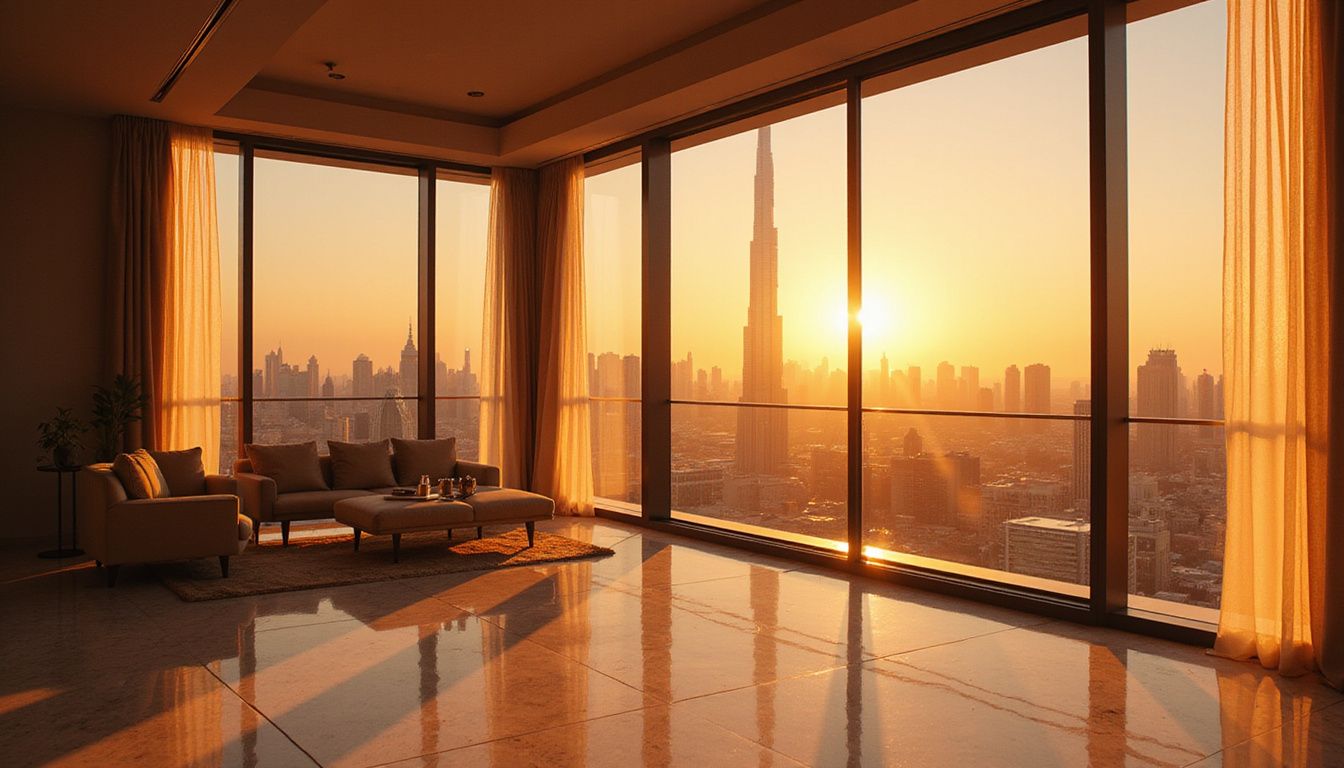
High-net-worth individuals worldwide are targeting Dubai’s luxury property market with unprecedented intensity.
In 2024, luxury property sales reached 948 transactions, with prices climbing 8-10% annually.
Trophy homes and apartments in landmark locations like Palm Jumeirah, Downtown Dubai, Emaar Beachfront, and Business Bay are commanding premium prices. These buyers want more than stunning Burj Khalifa views or private beach access. They’re seeking security, privacy, advanced smart home features, premium finishes, and top-tier amenities within master-planned communities.
The financial incentives are compelling.
The currency peg to the US dollar protects investments from wild exchange rate swings that worry Australian buyers. Zero capital gains tax and no stamp duty mean investors capture significantly higher net returns compared to Sydney or Melbourne properties. According to data from Engel & Völkers, luxury communities like Jumeirah Golf Estates and Dubai Marina attract high-net-worth individuals with yields near 7.48%, driven by lifestyle appeal and strong capital appreciation potential.
Don’t just read the numbers — use them to your advantage.
Discover what Dubai property you could safely and profitably invest in.
The Golden Visa program adds powerful appeal.
It offers 10-year residency to those investing in qualifying properties valued at AED 2 million or more (approximately AUD 820,000). This long-term residency option, without needing a local sponsor, attracts families and entrepreneurs looking to establish roots in a tax-friendly jurisdiction.
Developers continue launching ambitious off-plan developments with flexible payment plans that make luxury more accessible.
Major events like Expo 2020 boosted international visibility and attracted foreign professionals who now invest locally rather than rent short-term. Banks compete with lower mortgage rates and specialised services for overseas buyers, making luxury real estate more attainable for Australian investors seeking to diversify their portfolios in a fast-growing market.
What Attracts Investors to Off-Plan Developments in Dubai?

Off-plan properties deliver a compelling value proposition that ready-built homes simply can’t match.
New projects often launch at pre-launch pricing, allowing buyers to lock in entry points 10-30% below projected completion values. Early investment can lead to substantial capital appreciation as property values rise during and after construction. According to data from Q1 2025, off-plan transactions accounted for 67.6% of Dubai’s property market when adjusted for technicalities in how villa sales are recorded.
Payment flexibility makes these deals even more attractive.
Many developers offer payment plans that spread costs over the construction period, with post-handover options extending 3-5 years after completion. You might pay only 20-25% upfront, then make quarterly instalments until handover. Major developers like Emaar Properties, DAMAC, and Nakheel sweeten deals with zero commission arrangements, waived service charges for initial years, or guaranteed rental yields for early investors.
Regulatory protection provides peace of mind.
The Dubai Land Department enforces strict rules under RERA (Real Estate Regulatory Agency) to protect buyer funds until units are finished. This regulation brings security that overseas investors from Australia particularly value. According to Property Monitor, approximately 9,400 residential units were completed in Dubai in Q1 2025, representing consistent delivery and developer accountability.
Location advantages create long-term value.
- New areas like Business Bay and Jumeirah Village Circle allow Australians to secure positions within emerging master-planned communities before they become established.
- Being part of the first wave means better prices today and potentially higher resale profits once demand surges.
- Off-plan buyers in Dubai Marina, Palm Jumeirah, and Downtown Dubai have historically seen appreciation of 15-30% between purchase and handover.
Developers are launching innovative projects that align with Dubai Vision 2030’s sustainability goals, incorporating smart home technology, energy-efficient designs, and community amenities that increase long-term rental appeal and property values.
How Are Sustainable and Smart Communities Growing in Dubai’s Property Market?

Master-planned communities are blending green design with cutting-edge technology across Dubai.
Dubai Hills Estate and Arabian Ranches now showcase solar panels, efficient water systems, and integrated smart home features. These aren’t just marketing buzzwords. According to Emaar Properties, developments aligned with Dubai’s Net-Zero 2050 commitment feature energy-efficient designs, EV charging stations, and smart lighting systems that reduce utility costs by 20-30% compared to traditional builds.
The infrastructure creates genuine lifestyle benefits.
Neighbourhoods offer dedicated bike tracks, extensive parks, comprehensive recycling programmes, and electric vehicle charging points throughout. Families are drawn to these communities because they support a low-carbon lifestyle while delivering modern conveniences. The Dubai Land Department actively encourages these energy-saving standards in new developments, creating a market-wide shift toward sustainability.
Developers see smart communities as competitive advantages.
Leading builders like Emaar Properties and DAMAC focus on sustainability targets for every master-planned community. Their projects often receive green certifications and feature LEED-compliant designs. According to industry analysis, properties in eco-friendly communities command 5-8% premium prices and experience stronger capital appreciation over time compared to traditional developments.
Investor demand reflects changing priorities.
Sustainable real estate attracts buyers seeking both financial returns and reduced environmental impact.
Families want healthy living spaces with lower utility bills. Smart home technology enhances property management for landlords, making these units easier to rent and maintain. Communities like Dubai South and Mohammed Bin Rashid City are being designed from the ground up with sustainability integrated into every aspect, from waste management to public transport connectivity.
Key Benefits for Australian Investors

Australian buyers discover clear advantages when investing in Dubai property.
The tax-free environment and Golden Visa opportunities create wealth-building conditions that are tough to match anywhere else.
Are There Any Stamp Duties or Ongoing Property Taxes for Investors in Dubai?

Dubai delivers a tax structure that Australian investors find refreshingly simple.
There are no annual property taxes. No council rates. No ongoing land tax to budget for each year.
This stands in stark contrast to the Australian market, where stamp duty and continuing land tax can add tens of thousands to your costs annually. Instead of hefty upfront stamp duty, Dubai charges a one-time registration fee of 4% on the property’s value, payable to the Dubai Land Department when you complete your purchase and register your Sales and Purchase Agreement.
After this initial registration, you’re done with government fees.
There are no recurring local council fees or government-imposed annual property taxes to factor into your investment calculations. Whether you’re buying off-plan properties or securing freehold ownership in areas like Downtown Dubai, Palm Jumeirah, or Emaar Beachfront, the tax treatment remains the same.
Dubai’s growth trend is real. The question is: how do you benefit from it?
Get a tailored investment route based on current market data.
Your main ongoing costs are predictable.
- Service charges set by developers or owners’ associations for building maintenance in master-planned communities
- These fees cover amenities, security, and common area upkeep in developments like Business Bay, Jumeirah Village Circle, or Dubai Hills Estate
- Service charges vary by property type and location but are transparent from the start
- No capital gains tax when you sell, unlike Australia’s CGT that can claim a significant chunk of your profits
The financial advantage compounds over time.
Australian property investors are accustomed to calculating stamp duty (which can exceed $50,000 in Sydney for a $1 million property), annual land tax, and council rates into their returns. In Dubai, that 4% one-time fee is your total government cost. According to the official Dubai Land Department guidelines, this simplified structure makes it easier to calculate your true net return on investment.
How Can Property Investment in Dubai Offer Residency Opportunities?

Property investment in Dubai unlocks long-term residency that goes far beyond owning real estate.
The UAE’s Golden Visa scheme allows buyers to secure either a 5-year or 10-year visa when their property investment meets specific thresholds. For Australians investing at least AED 2 million (approximately AUD 820,000), you can apply for the prestigious 10-year Golden Visa through the Dubai Land Department.
This investor visa delivers genuine freedom.
You can live, work, and study in the UAE without needing a national sponsor. Your family members and even domestic staff can be included in the application. There’s no requirement to maintain continuous residence, giving you flexibility to split your time between Australia and Dubai while keeping your visa status secure.
The application process is straightforward.
Once you own qualifying property, you can initiate your residency application through the General Directorate of Residency and Foreigners Affairs or via ICP smart channels. According to official DLD guidelines updated in 2025, off-plan purchases now qualify, provided they meet the minimum investment threshold and are properly registered with the Dubai Land Department.
Freehold ownership strengthens your application.
When you purchase property in designated freehold zones like Downtown Dubai, Palm Jumeirah, Business Bay, or Emaar Beachfront, you gain complete ownership rights. This freehold status gives you the authority to lease, manage, or sell your unit, while simultaneously qualifying you for the Golden Visa programme based on your investment value.
The residency benefits extend beyond visa status.
According to a 2025 report by immigration consultancy Immigrant Invest, Golden Visa holders can sponsor family members, access world-class healthcare and education, and enjoy visa-free entry to the UAE. The programme has proven extremely popular, with over 150,000 Golden Visas issued in 2023 alone, demonstrating the UAE’s commitment to attracting long-term foreign investment.
How Does Investing in Dubai Diversify an Australian Investor’s Portfolio?

Putting capital into Dubai property gives Australian investors exposure to a fundamentally different economic engine.
The currency stability through the USD-pegged dirham shields your investment from the volatility affecting other emerging markets. This creates a risk profile distinct from Australia’s economy, which is heavily tied to China’s commodity demand and domestic policy shifts.
The diversification benefits run deep.
While Sydney or Melbourne may face slowdowns due to local interest rate changes or regulatory tightening, Dubai’s property market often performs independently based on international capital flows and Middle Eastern economic dynamics. Major infrastructure projects like Emaar developments and master-planned communities near Palm Jumeirah respond to global investor demand rather than Australian economic cycles.
Tax advantages amplify your portfolio’s efficiency.
Dubai offers tax-free rental yields with no capital gains tax on property sales. This stands in contrast to Australia’s complex tax structure with stamp duty charges, ongoing land tax, and CGT on investment properties. For high-income Aussie investors, this difference in tax treatment can mean 15-30% better net returns on the same gross yield.
Geographic exposure creates fresh growth opportunities.
- Freehold ownership rights from the Dubai Land Department provide stronger control compared to some Australian leasehold options
- Emerging sectors like Business Bay and master-planned communities in areas such as Jumeirah Village Circle offer growth potential absent from mature Australian markets
- Pre-launch pricing on off-plan projects allows entry at below-market rates before areas become established
- According to ValuStrat’s 2025 forecasts, property prices in Dubai could increase another 10% before year-end
The different asset class characteristics matter.
Dubai’s property market attracts international luxury buyers, expatriate professionals, and global businesses in ways that Australian cities don’t replicate. This creates distinct demand drivers and risk factors, making Dubai real estate a genuine portfolio diversification tool rather than just another property investment.
Understanding the Legal Framework
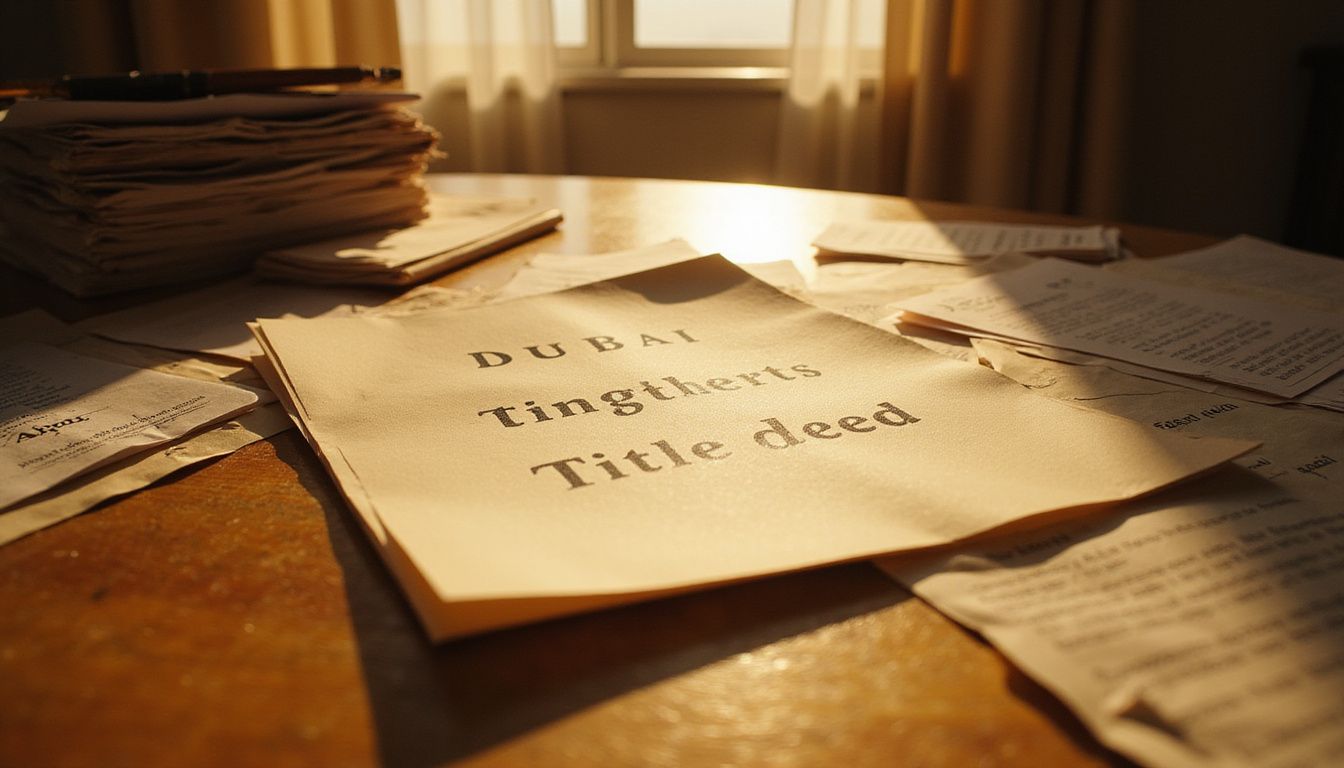
The legal structure shapes every Dubai property transaction, from your first inspection to holding the title deed.
Knowing the rules set by the Dubai Land Department and Real Estate Regulatory Agency protects your investment and smooths the buying process.
What Is the Difference Between Freehold and Leasehold Properties in Dubai?

Freehold ownership gives buyers complete control over their property and the land beneath it.
When you purchase freehold in designated areas like Downtown Dubai, Business Bay, or Palm Jumeirah, you receive a title deed from the Dubai Land Department making you the permanent legal owner. There’s no time limit on your ownership. You can sell, lease out, renovate, or pass your property to heirs without restrictions.
Popular master-planned communities including Emaar Beachfront and Dubai Hills Estate predominantly offer freehold properties.
Leasehold properties operate differently.
You buy the right to occupy or use a property for a set period, commonly 30 to 99 years, but you don’t own the underlying land permanently. The original landowner retains ultimate control when the lease term expires. While you can resell your leasehold interest during your term under Real Estate Regulatory Agency rules, your options become limited at expiry unless you can negotiate a renewal following local regulations.
If the market analysis resonated with you, take the next smart step.
Find investment opportunities that fit you, not the other way around.
The practical differences matter for Australian investors.
- Freehold properties typically command higher resale values and offer better long-term capital appreciation potential
- Banks and mortgage providers generally offer more favourable financing terms for freehold versus leasehold properties
- Only freehold ownership qualifies for the Golden Visa programme when your investment reaches AED 2 million
- Freehold gives you complete control over property modifications and usage within community guidelines
Both ownership types remain legally binding under UAE law.
The title deed system through the Dubai Land Department provides clear documentation regardless of whether you hold freehold or leasehold rights. However, Australian investors overwhelmingly prefer freehold options because they offer complete asset control and stronger long-term value protection, similar to the standard ownership structure back home.
What Is the Process for Australian Investors to Buy Property in Dubai?

Australian investors can purchase Dubai property through a clear, regulated process overseen by the Dubai Land Department.
Here’s your step-by-step roadmap:
- Prepare your finances by planning your down payment, which typically ranges from 20% to 25% of the property value for non-residents purchasing in Dubai.
- Secure mortgage pre-approval from reputable UAE banks if you’re using financing. You’ll need to provide a credit report, proof of income, valid passport, and visa documentation.
- Choose your target location based on investment goals. Downtown Dubai offers strong capital growth. Dubai Marina provides waterfront lifestyle appeal. Jumeirah Village Circle delivers higher rental yields at lower entry prices.
- Work with RERA-certified real estate agents who have access to verified property listings and understand the specific needs of international buyers.
- Conduct thorough due diligence on any property. Review master-planned community details, inspect amenities, and request independent property valuation reports to confirm fair market value.
- Pay the required booking deposit to reserve your chosen property, typically 5-10% of the purchase price.
- Sign the Memorandum of Understanding with the seller. This MoU outlines all sale conditions and must be signed by both parties to proceed.
- Submit all legal documents to the Dubai Land Department to initiate the transfer process. Required documents include passport copies, Emirates ID (if applicable), and the signed MoU.
- Pay the DLD transfer fees equal to 4% of the property price, plus registration fees, agent commission, and administrative costs.
- Complete your final payment through bank transfer or Manager’s Cheque. After full payment clears, the DLD issues your title deed confirming ownership.
- Consider engaging property management services if you won’t reside in the UAE full-time. Professional managers handle tenant screening, rent collection, and maintenance.
- Explore post-handover payment plans offered by major developers like Emaar Properties and DAMAC for off-plan projects. According to industry analysis, these flexible arrangements can extend payments 3-5 years after completion, making Dubai investment more accessible for Australian buyers seeking high returns.
The entire process typically takes 2-4 weeks for ready properties and follows completion timelines for off-plan purchases.
Popular Areas for Investment

Many Aussies target specific Dubai districts for strong capital growth and consistent rental income.
These hotspots offer modern infrastructure, tax-free advantages, and appealing post-handover payment plans.
Why Invest in Downtown Dubai?

Downtown Dubai commands attention for delivering both strong capital appreciation and high rental yields.
Luxury developments by Emaar Properties have set the benchmark here, attracting global and local buyers who drive consistent demand. According to 2025 market data, apartments in this district often see annual price growth between 8% and 12%, figures that most major Australian cities struggle to match consistently.
The location advantages are undeniable.
Business Bay sits immediately adjacent, creating a concentrated hub of businesses, transport connections, and lifestyle amenities. You’re positioned next to the Burj Khalifa and Dubai Mall, two global landmarks that ensure sustained tourist and resident interest. This proximity to Dubai’s commercial and entertainment heart translates directly into tenant demand.
The financial benefits stack up for Australian investors.
- Zero capital gains tax when you sell means you keep the full profit from price appreciation
- No stamp duty at purchase, just the 4% DLD registration fee
- Studio apartments in Downtown Dubai generate rental yields over 8%, according to Wise’s 2025 analysis
- The master-planned community features world-class amenities and infrastructure that support long-term value
Professional property management through RERA-approved agencies makes overseas ownership practical.
These services handle tenant placement, rent collection, and maintenance, protecting your returns even when you’re back in Australia. Post-handover payment plans on new Emaar projects provide flexible purchase options, allowing you to spread payments over several years while the property appreciates.
Occupancy rates remain consistently high year-round because both long-term residents and short-term visitors seek the urban lifestyle Downtown Dubai delivers.
What Makes Dubai Marina Attractive to Investors?

Dubai Marina pulls investors through its waterfront appeal and vibrant lifestyle offerings.
The man-made marina district features cafes, restaurants, and direct Arabian Gulf access that create year-round appeal for both residents and tourists. Luxury apartments here deliver impressive rental yields averaging 6-6.5%, substantially higher than most Australian waterfront properties.
Tenant demand stays strong throughout the year.
Professionals and families choose Dubai Marina for its convenient location and resort-style amenities. The master-planned community packs retail shops, fitness centres, swimming pools, and marina walks within steps of your doorstep. According to Bayut’s H1 2025 rental report, Dubai Marina remained a top-searched location for apartment seekers, demonstrating sustained market interest.
The infrastructure connections work in your favour.
You can reach Business Bay, Jumeirah Village Circle, Emaar Beachfront, and Palm Jumeirah via short drives or metro links. Sheikh Zayed Road provides quick access across Dubai’s key zones. This connectivity ensures your property appeals to a wide tenant pool, from business professionals to lifestyle-focused renters.
The data shows the opportunity — now let’s tailor it to your investment plan.
Get matched with Dubai properties that align with your financial goals.
Ownership structure provides security.
Properties follow a freehold model, meaning foreign buyers like Australians can claim full title through the Dubai Land Department with a transparent purchase process. Pre-launch pricing on upcoming Emaar developments opens opportunities for capital appreciation as new projects complete and the area continues maturing.
Property management services throughout Dubai Marina make overseas ownership practical and profitable.
Smart infrastructure projects connect residents efficiently to all major Dubai districts, while the growth in professional property management services ensures hassle-free leasing for owners living abroad. Demand for off-plan properties remains robust thanks to flexible payment options like post-handover payment plans offered directly by established developers.
What Investment Opportunities Exist in Jumeirah Village Circle?

Jumeirah Village Circle delivers a compelling mix of affordability and investment performance.
As of 2025, JVC offers rental yields ranging from 7.04% to 8.4% depending on property type, with studios commanding the highest returns at 8.4%. This performance significantly outpaces most Australian suburbs and even beats many premium Dubai locations on a yield-to-price ratio.
Off-plan properties attract both local and international buyers here.
Developers offer pre-launch pricing and flexible payment plans that reduce upfront capital requirements. Many projects include post-handover payment plans extending 3-5 years beyond completion, making JVC particularly accessible for Australians building their Dubai portfolio gradually. According to Q1 2025 market data, JVC ranked highest in off-plan apartment registrations, demonstrating strong buyer confidence.
The tenant base provides stability.
Families and young professionals consistently choose JVC for its parks, schools, shopping centres, and competitive rents. The master-planned community spans over 350 buildings across 870 hectares, with an estimated population growing from 25,000 toward a planned 300,000 as development completes. This expansion ensures ongoing rental demand.
Infrastructure access strengthens investment appeal.
- Easy connections to Sheikh Zayed Road and Al Khail Road provide quick commutes to Dubai’s business districts
- Freehold property ownership through Dubai Land Department registration gives Australian buyers full control
- RERA regulations protect both buyers and tenants, creating a stable investment environment
- According to Bayut data, the average sale price for apartments in JVC is approximately $328,561, making it one of Dubai’s most affordable quality areas
The tax advantages apply equally here.
No stamp duty, no ongoing property tax, and no capital gains tax mean your JVC investment delivers higher net returns than comparable Australian properties. Combined with gross yields approaching 8%, this creates an attractive total return profile for cash flow-focused investors.
Future Outlook and Forecasts
Major infrastructure projects and Emaar developments are shaping the next wave of returns in Dubai’s property market.
Smart Australian investors are watching pre-launch pricing in emerging areas for strong capital appreciation opportunities ahead.
Which Emerging Areas in Dubai Offer High ROI Potential?

Business Bay leads emerging hotspots for high rental yields and capital appreciation.
The area features numerous off-plan properties close to Downtown Dubai, making it popular with investors and renters alike. Flexible post-handover payment plans attract first-time buyers seeking easier market entry. According to Key One Realty Group’s 2025 analysis, Business Bay offers “great location and high rental turnover,” though increasing supply has stabilised returns for newly completed units.
Dubai Hills Estate shows impressive growth potential.
The master-planned community combines green spaces with family appeal, drawing sustained interest from end-users and investors. Infrastructure development and premium amenities position it for long-term value growth. Emaar Properties continues expanding the community with projects like Golf Hillside and Address Residences, both scheduled for completion in 2025-2026.
You’re already ahead by understanding the market — now act before the next price cycle.
Explore curated investment choices based on current trends and yields.
Jumeirah Village Circle attracts value-focused investors.
Affordable entry prices combined with steady resident demand create promising returns. As discussed earlier, JVC delivers gross rental yields up to 8.4% while maintaining lower purchase prices than most Dubai districts. The consistent tenant demand from families and professionals ensures occupancy stability.
Emaar Beachfront offers luxury positioned near Palm Jumeirah.
Ongoing infrastructure projects and pre-launch pricing advantages may drive future gains as the waterfront development matures. The location between Dubai Marina and Palm Jumeirah creates appeal for high-net-worth individuals seeking beachfront living with marina access.
Dubai South emerges as a long-term play.
Proximity to Al Maktoum International Airport and Expo City creates infrastructure-driven growth potential. According to industry analysis, rental yields are rising in Dubai South, especially for off-plan units acquired below current market values. The airport’s expansion plans position this area for substantial appreciation over the next 5-10 years.
What Are the Market Predictions for Dubai Property in 2025 and Beyond?
Analysts predict continued growth for Dubai’s property market through 2025 and the following years, though at a more measured pace.
According to ValuStrat’s latest forecasts, property prices could increase another 10% before the end of 2025. Knight Frank projects steady appreciation across prime areas like Palm Jumeirah, Downtown Dubai, and Dubai Hills Estate, with annual price growth moderating from the post-pandemic surge to a more sustainable 5-8% range.
Population growth drives sustained demand.
Dubai’s population exceeded 3.8 million in 2024, reflecting a 5% year-on-year increase according to Deloitte’s 2025 report. The UAE Central Bank forecasts national GDP growth of 6.2% in 2025, largely driven by the real estate sector. This expanding population creates continuous housing demand, particularly in established communities and new master-planned developments.
Infrastructure projects underpin market stability.
New metro lines, expanded road networks, and community amenities attract both buyers and renters. Major developers continue launching projects, with approximately 76,000 units expected to complete in 2025 as part of the larger 182,000-unit pipeline through 2026. This supply will help meet growing demand while maintaining price discipline.
Rental yields remain attractive in key districts.
- Dubai Marina and Jumeirah Village Circle often exceed 7% annual gross yields, according to RERA data
- The Golden Visa programme tied to property investment continues attracting long-term buyers
- USD-pegged currency shields against forex risk for Australian investors
- Forecasts through 2030 suggest moderate, sustainable price increases as supply meets demand levels outlined in the Dubai Economic Agenda D33
The market fundamentals support optimism.
No stamp duty, zero annual property tax, and no capital gains tax create an investor-friendly environment that Australian cities can’t replicate. Deloitte’s report noted that residential sales prices rose 20% in 2024, while rental prices increased 19%, demonstrating the market’s strength. Property experts from CBRE suggest that even with potential global economic headwinds, Dubai’s safe-haven status and government policies will continue supporting steady growth.
Conclusion

Dubai’s property market offers Australian investors a powerful combination that’s tough to replicate at home.
High rental yields averaging 6.76%, zero capital gains tax, and no annual property taxes create an environment where your money works significantly harder than in Sydney or Melbourne. With spots like Downtown Dubai, Jumeirah Village Circle, and Palm Jumeirah showing consistent capital appreciation, you can build wealth faster while enjoying the security of a regulated market backed by RERA and the Dubai Land Department.
The buying process is straightforward when you work with certified agents and follow the established legal framework.
Freehold ownership gives you complete control. Flexible payment plans on off-plan properties from developers like Emaar and DAMAC make entry more accessible. The Golden Visa pathway adds long-term residency benefits that extend far beyond just owning property.
Your next steps are clear.
Start by identifying your investment goals. Are you chasing high rental yields, capital growth, or a combination of both? Research emerging areas like Business Bay and Dubai Hills Estate alongside established districts. Connect with RERA-approved agents who understand the Australian investor perspective and can guide you through due diligence.
Every successful Dubai property journey begins with solid research and expert guidance.
Take action now. Explore new Emaar projects and off-plan opportunities before pre-launch pricing windows close. Your portfolio diversification and wealth-building potential in this dynamic market start with the decision to investigate seriously.
Frequently Asked Questions About Investing in Dubai Properties
1. What makes Dubai property investment attractive for Australian investors?
Dubai’s tax-free environment eliminates capital gains tax and stamp duty, offering significant savings compared to Australian property taxes. You can benefit from strong rental yields, which averaged over 7% across the city in 2024, and the stability of the USD-pegged currency. The Dubai Land Department (DLD) provides a transparent and secure system for foreign investors.
2. Which locations in the Dubai real estate market offer the best return on investment?
Downtown Dubai and Palm Jumeirah are prime for capital appreciation, while areas like Jumeirah Village Circle (JVC) offer higher rental yields, often exceeding 8%. Emaar Dubai projects, including those in Dubai Hills Estate and Emaar Beachfront, are consistently popular for their build quality and potential for long-term growth. Business Bay also remains a top choice for professionals seeking high rental demand.
3. How do off-plan properties work in Dubai’s property market?
Off-plan properties allow you to secure a unit at pre-launch pricing with flexible payment plans directly from developers. To protect your investment, the Real Estate Regulatory Agency (RERA) requires that all funds be held in a regulated escrow account. Your ownership is registered with the Dubai Land Department (DLD) through a system called Oqood, ensuring your rights are secured before construction is complete.
4. Can Australian investors qualify for a golden visa through Dubai property investment?
Yes, investing in a Dubai property worth at least AED 2 million qualifies you for the 10-year golden visa programme.
5. What are the risks Australians should consider before investing in Dubai property?
Market fluctuations can affect property values, so it is crucial to research specific sub-markets and conduct thorough inspections. Always use a RERA-certified real estate agent to verify a developer’s creditworthiness and ensure the project is officially registered with the DLD. Unlike leveraged Australian purchases, be prepared for upfront payments that can range from 10% to 25% for off-plan properties.
6. How does freehold ownership work for foreign investors in Dubai?
Freehold ownership in designated areas gives you complete property rights, identical to Australian property ownership, allowing you to sell, lease, or inherit the asset. Transactions are registered with the DLD for full legal protection in master-planned community developments. This system provides foreign nationals with the confidence and security to invest in the Dubai property market.
🔗 Valuable Resource Links
Knight Frank: Dubai Residential Market Review Q1 2025
Authoritative quarterly review with data on prices, yields, and market trends.
Global Property Guide: UAE’s Residential Property Market Analysis 2025
Comprehensive data on price trends, transaction volumes, and supply/demand dynamics.
William Blair: Dubai Real Estate—Still an Oasis of Growth in 2025?
In-depth analysis of macroeconomic drivers, policy support, and market outlook.
Dubai Invest: Gold vs Dubai Real Estate—Best ROI for Australians 2025
Direct comparison of Dubai property and gold for Australian investors, with up-to-date yield and growth data.
REIDIN: Dubai’s Residential Real Estate Q3 2025 Market Overview
Detailed quarterly data on prices, transaction volumes, and supply.
Dubai Property Team: Top Reasons Why Australians Want to Buy Property in Dubai in 2025
Summarizes key advantages and market conditions for Australians.
Cavendish Maxwell: Dubai Residential Market Performance H1 2025
A comprehensive, data-driven analysis of Dubai’s residential market performance, including prices, transactions, and supply trends.
Construction Week Online: Dubai Property Market H1 2025
Industry-focused insights on Dubai’s property market drivers, off-plan trends, and new development impacts.
Deloitte: Dubai Real Estate Predictions 2025
An authoritative outlook on Dubai’s real estate market, covering transaction levels, price growth, and future trends.
Gulf Business: 6 Trends Shaping Dubai Real Estate
Analysis of emerging trends in Dubai’s real estate market, including off-plan sales and suburban growth.
Government & Official Sources (Highest Authority):
✅ Dubai Land Department (https://dubailand.gov.ae)
✅ UAE Government Official Portal (https://u.ae)
✅ Dubai Pulse (https://dubaipulse.gov.ae)
✅ GDRFA Dubai (https://gdrfad.gov.ae)
Major Real Estate Platforms (High Authority):
✅ Property Finder (https://www.propertyfinder.com)
✅ Bayut (https://www.bayut.com)
✅ Engel & Völkers (https://www.engelvoelkers.com)
✅ Knight Frank (https://www.knightfrank.ae)
✅ Cavendish Maxwell (https://cavendishmaxwell.com)
✅ ValuStrat (https://www.valustrat.com)
Financial & Research Institutions (High Authority):
✅ Deloitte (https://www.deloitte.com)
✅ PwC (https://www.pwc.com)
✅ Global Property Guide (https://www.globalpropertyguide.com)
✅ Bloomberg (https://www.bloomberg.com)
✅ Reuters (https://www.reuters.com)
News & Media (High Authority):
✅ Gulf News (https://gulfnews.com)
✅ Khaleej Times (https://www.khaleejtimes.com)
✅ Arabian Business (https://www.arabianbusiness.com)
✅ The National (https://www.thenationalnews.com)
Australian Sources (High Authority):
✅ Wise (https://wise.com)
✅ CoreLogic Australia (https://www.corelogic.com.au)
✅ REIA – Real Estate Institute of Australia (https://reia.asn.au)
Disclaimer: All information provided by Dubai Property for Aussies (DPA) is for educational and informational purposes only. It should not be considered financial, legal, or investment advice.
DPA does not offer professional advisory services. We strongly encourage users to seek independent financial or legal guidance before making any property-related or investment decisions.